As electric vehicles (EVs) become increasingly common, understanding energy usage, efficiency, and cost management is crucial for both residential and commercial setups. Central to this management is the electric car charging meters—a sophisticated device designed to monitor, measure, and manage the electricity consumption of EV charging stations. Whether you are a homeowner looking to track your energy costs or a business operator managing a commercial fleet, selecting the right meter for EV charger systems is the first step toward a smarter, more efficient energy future.
What Is an Electric Car Charging Meter?
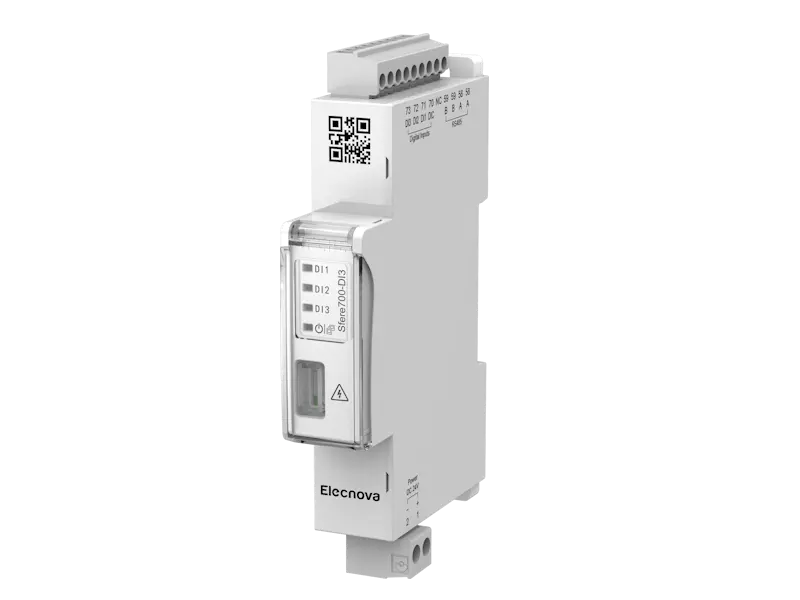
An electric car charging meter is a specialized energy-measuring device integrated into EV charging systems to track electrical energy at a defined measurement point. By providing precise data on electricity flow, these devices act as the "brain" behind the charging session, ensuring that energy distribution is transparent, safe, and billable.
At Elecnova, we understand that professional-grade power monitoring is essential for modern infrastructure. Our solutions are designed to provide the visibility required to optimize charging performance and reduce operational expenses.
How Does an Electric Car Charging Meter Work?
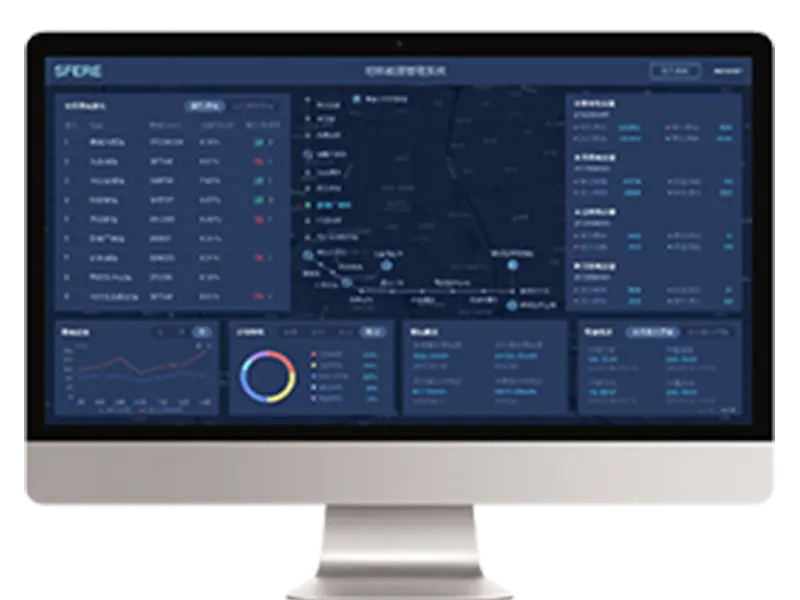
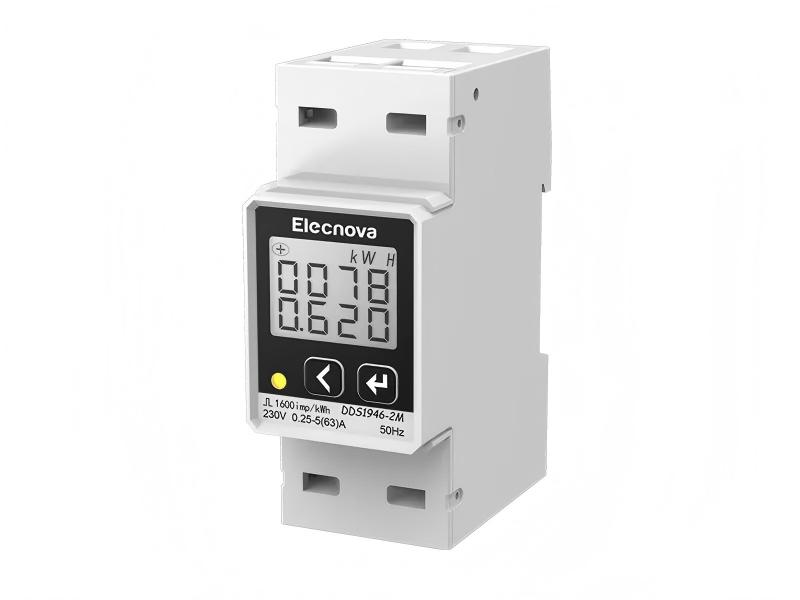
The fundamental operation of an electric car charging meter involves measuring the flow of electricity between the power source and the vehicle. The device performs this by continuously monitoring the voltage supplied to the charger and the electrical current flowing to the vehicle, which allows it to calculate the exact kilowatt-hours consumed per charging session. Once these metrics are captured, advanced units transmit this data to cloud platforms or energy management systems to provide real-time feedback. By utilizing a high-performance meter for EV charger unit, operators can ensure that every charging session is recorded accurately, facilitating automated billing and detailed energy analytics.
Key Features to Consider When Choosing an Electric Car Charging Meter
Choosing the right equipment requires attention to specific technical capabilities. Below are the essential features to evaluate:
Accuracy Class: High-precision meters ensure billing accuracy and compliance with local legal-metrology requirements.
Connectivity: Support for protocols like Modbus or integration with Charging Station Management Systems (CSMS) is vital for remote monitoring.
Load Balancing: Essential for commercial sites to prevent overloading the local grid while multiple vehicles charge simultaneously.
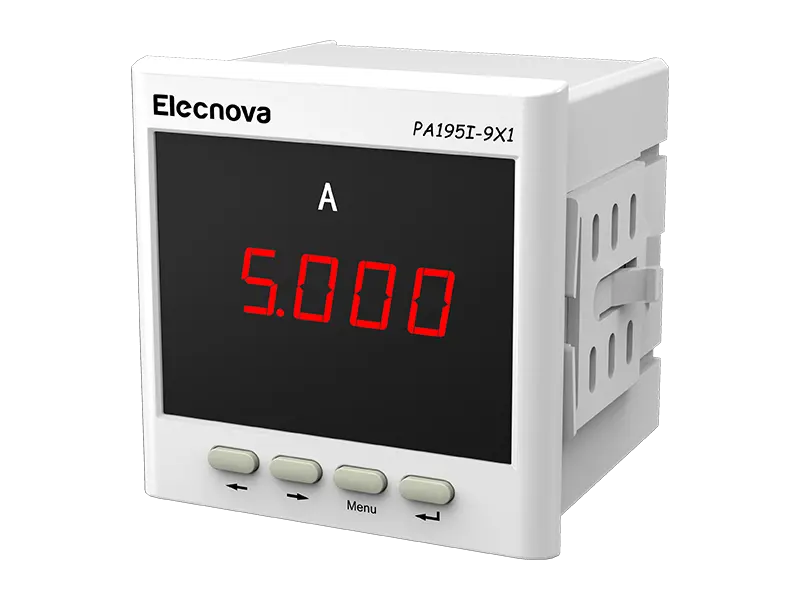
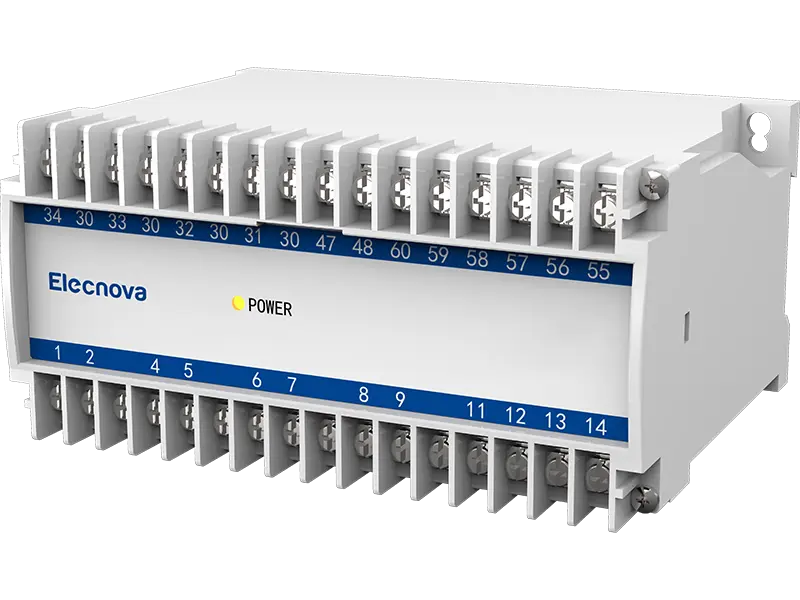
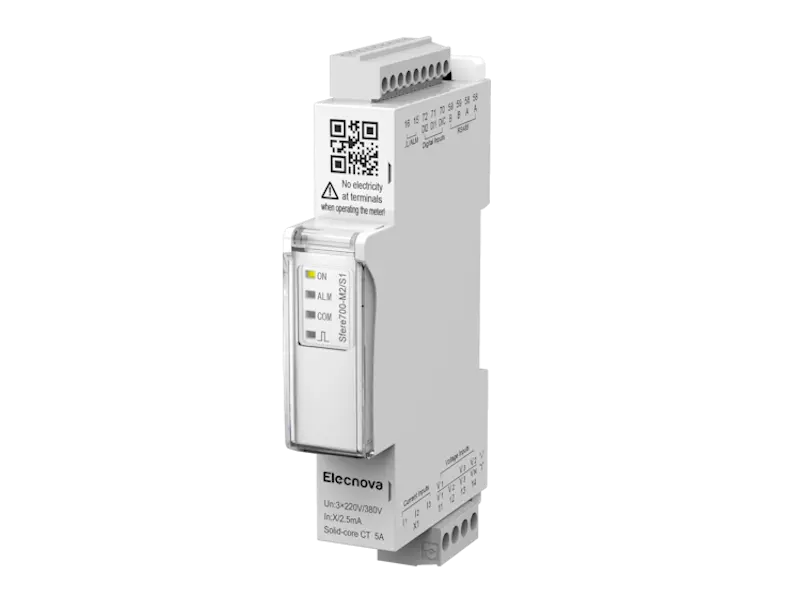
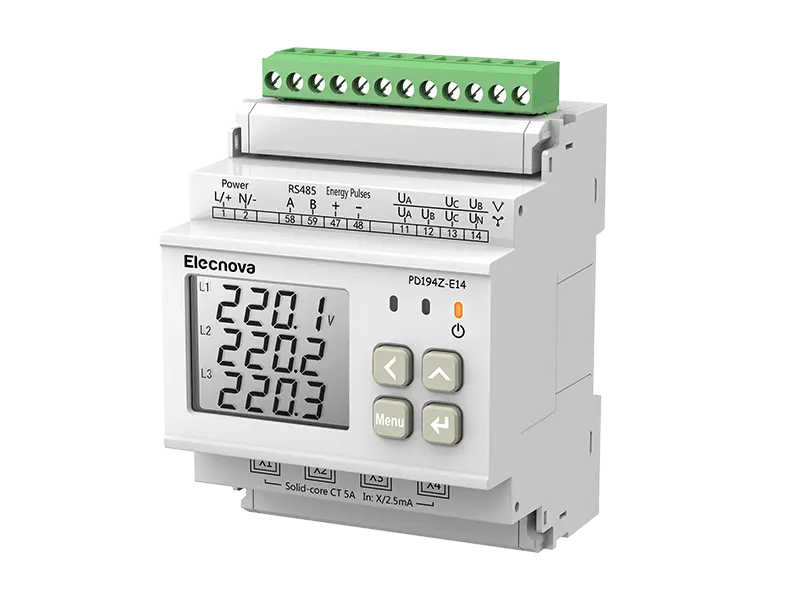
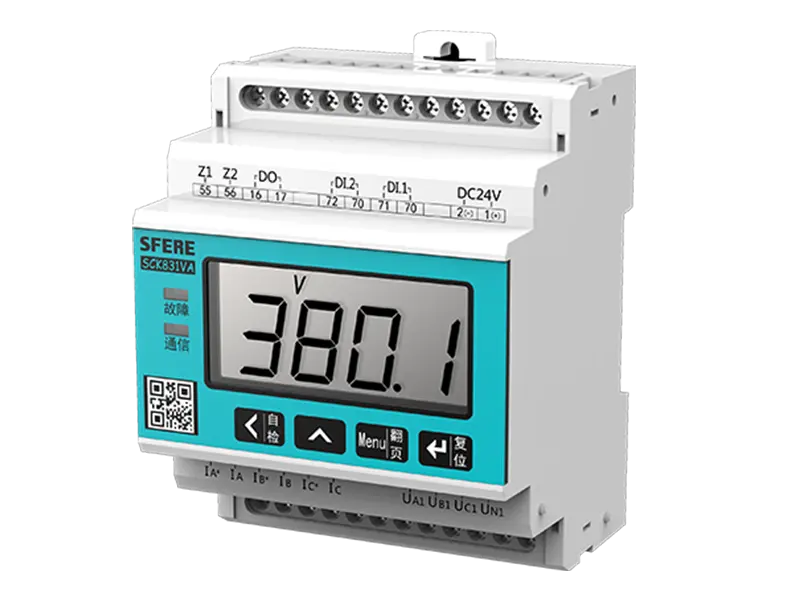
Scalability: Whether you need a DIN rail device or a panel-mounted instrument, the meter for EV charger should fit your existing infrastructure.
Comparison: Single-Phase vs. Three-Phase Meters
| Feature | Single-Phase Meter | Three-Phase Meter |
|---|
| Primary Use | Residential / Low-power | Commercial / High-power |
| Load Handling | Standard home loads | Heavy industrial/commercial loads |
| Complexity | Simple, compact | Advanced, balanced distribution |
| Best For | Private garage chargers | Public charging hubs/fleets |
Common Applications of Electric Car Charging Meters
The deployment of an electric car charging meter extends across various environments where energy accountability is paramount. In residential settings, these devices are used to track home charging energy consumption to manage electricity costs and leverage off-peak tariffs. Commercial stations utilize them to facilitate accurate billing for public charging hubs, shopping centers, and workplaces. Furthermore, fleet management teams rely on these meters to monitor individual vehicle energy consumption to optimize fleet operating costs, while smart buildings integrate EV charging energy data into building-level Energy Management Systems for holistic power analysis.
Installation Requirements and Best Practices for Electric Car Charging Meters
Proper installation is critical to safety and performance. When installing a meter for EV charger, consider these best practices:
Professional Installation: Always use certified electrical contractors to ensure compliance with standards like BS EN 61851-1.
Strategic Placement: Ensure the meter is accessible for maintenance and away from combustible materials, maintaining a minimum safety clearance.
Safety Protection: Install Residual Current Devices (RCDs) and implement automatic shutdown protocols for fault detection.
Cable Management: Use tidy cable routing to reduce trip hazards and potential damage to the monitoring equipment.
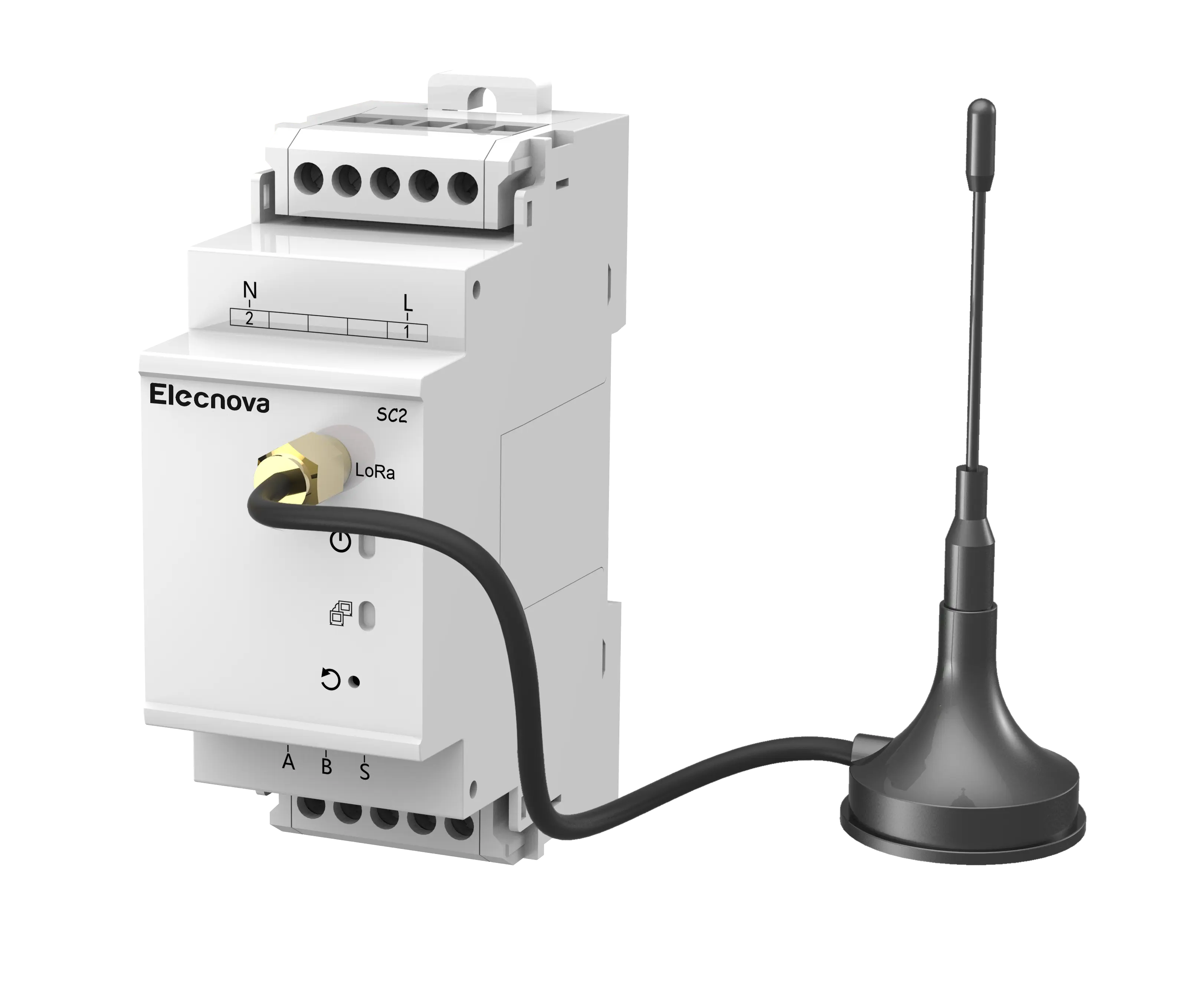
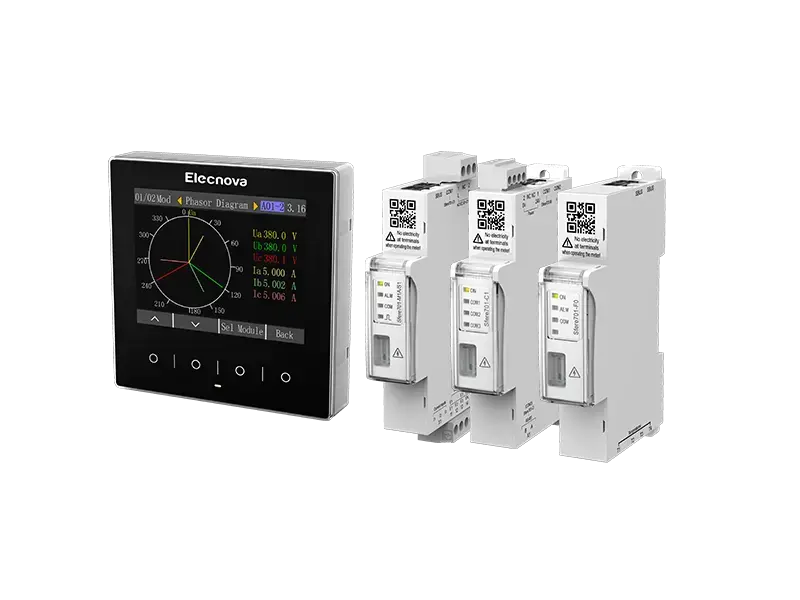
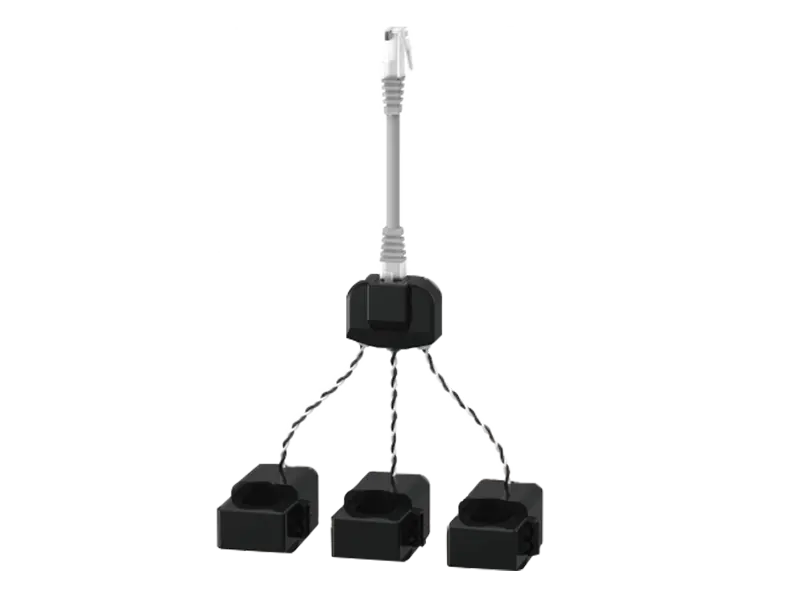
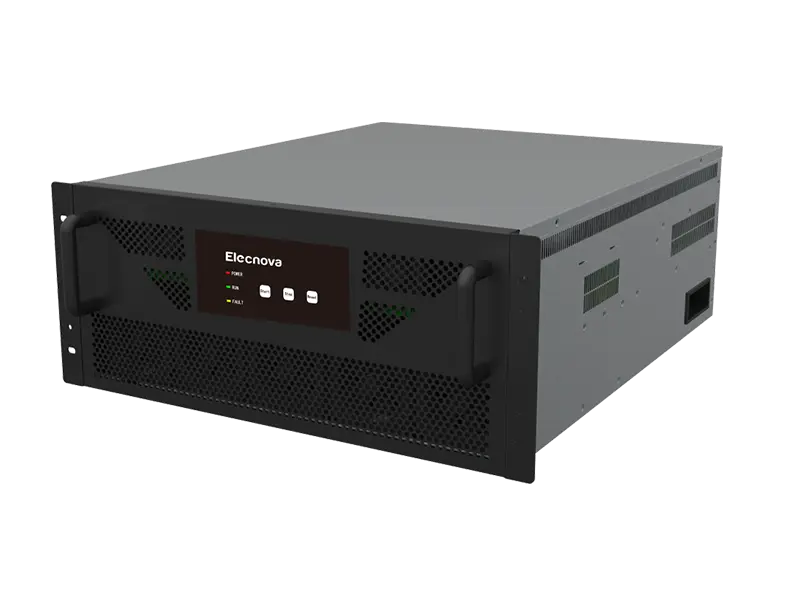
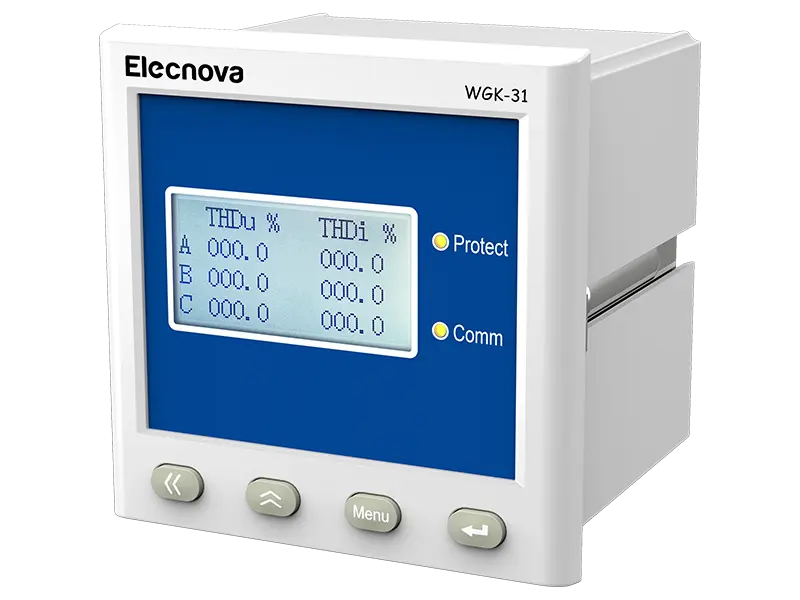
For further guidance on integrating high-end power monitoring into your facility, explore our professional products.
Benefits of Using Electric Car Charging Meters
Investing in a reliable electric car charging meter provides immediate and long-term advantages:
Cost Management: By recording consumption accurately, you can optimize charging during off-peak hours, significantly lowering running costs.
Enhanced Safety: Real-time monitoring allows for overload protection, alerting users to voltage or current irregularities that could damage the charger.
Operational Transparency: Businesses gain the ability to provide detailed billing reports to users, ensuring fair and accurate settlements.
Conclusion
The adoption of an electric car charging meter is a fundamental step toward building a sustainable and efficient charging ecosystem. From residential cost-saving to large-scale commercial fleet management, having the right meter for EV charger technology provides the precision and data-driven insights necessary to excel in the modern energy landscape. By choosing Elecnova, you are selecting a partner dedicated to providing robust, intelligent, and highly accurate power monitoring solutions. For custom project inquiries or technical support, please contact us.
Frequently Asked Questions (FAQ)
1. Do I need a meter for EV charger installation at home?
While not strictly required for basic setups, a smart meter is highly recommended to take advantage of off-peak energy tariffs and monitor your actual charging costs.
2. What is the difference between single and three-phase meters?
Single-phase meters are typically for standard home charging (7kW), while three-phase meters are used for high-power commercial chargers (22kW and above) to handle heavier electrical loads.
3. Can an electric car charging meter help with load balancing?
Yes, advanced meters provide real-time load data, allowing systems to dynamically adjust charging power to prevent grid overloading.
4. Is professional installation required for these meters?
Yes, for safety and compliance with international electrical standards, installation should always be performed by a certified professional.
5. How does a meter assist in cost management?
It tracks usage data in real-time, enabling you to identify the most cost-effective charging times and helping you benefit from "Time of Use" electricity tariffs.
6. Where can I buy a reliable meter for EV charger projects?
You can find professional-grade energy management and monitoring hardware through Elecnova's product catalog, tailored for various industrial and commercial needs.


 CN
CN EN
EN
 fr
fr  de
de  es
es  it
it  ru
ru  ar
ar  vi
vi  tr
tr  th
th