The year 2026 represents a pivotal moment in the global transition to electric mobility. As EV (electric vehicle) adoption skyrockets, the traditional "dumb" charging stations are stepping into obsolescence. EV meters are no longer simple counters of energy usage—they are now at the heart of a significant financial and technological evolution. These devices are the critical enablers of new revenue streams such as Vehicle-to-Grid (V2G) and Vehicle-to-Home (V2H) systems, turning everyday EV batteries into intelligent power assets.
This shift brings opportunities but also demands advanced hardware and precise billing methodologies. Let’s explore why EV meters are now critical financial instruments and how they help Charging Point Operators (CPOs), fleet managers, and smart homeowners unlock the full potential of V2G and V2H ecosystems.
The Prosumer Revolution: Understanding V2G and V2H
The rise of "prosumers"—where consumers are also producers of energy—has propelled the development of new technologies, including bidirectional EV chargers and smart energy meters.
What is Vehicle-to-Grid (V2G)?
V2G enables EV owners to sell electricity back to the grid. During peak demand periods, utility companies require additional power to stabilize the grid. EV owners can discharge their vehicle batteries into the grid, earning income in return. This turns EV batteries into decentralized energy storage devices.
What is Vehicle-to-Home (V2H)?
V2H allows EVs to become a reliable source of backup power for homes and businesses. For instance, during an outage or when grid electricity prices spike, EVs can discharge stored energy to power household appliances.
Where Does the EV Meter Come In?
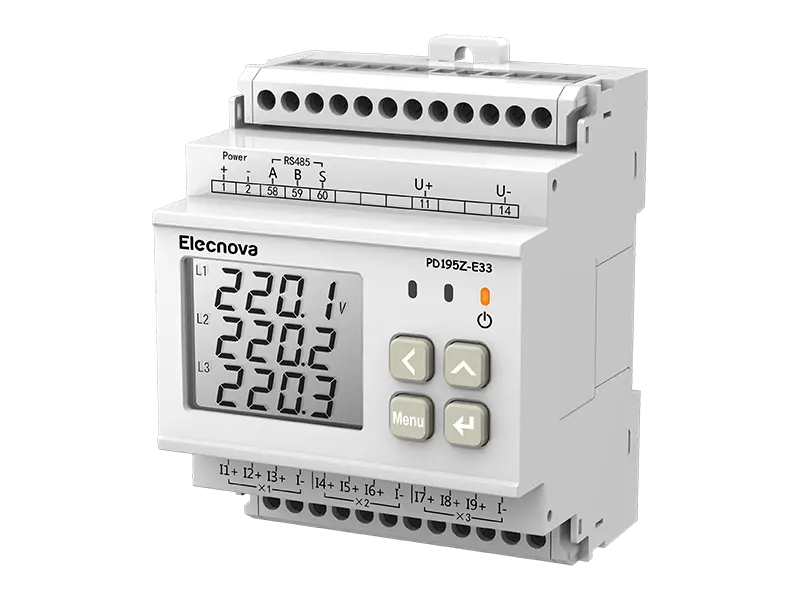
Standard residential meters aren’t equipped to handle the unique challenges posed by bidirectional energy flow. They are primarily designed to measure energy consumption, ignoring the complexity of energy being both drawn from and provided to the grid or home. An advanced electric vehicle charging meter tracks energy transactions, ensuring proper credit is assigned for every kilowatt-hour sold or saved. In this way, EV meters are more than a technical tool; they are key to financial accountability in the EV ecosystem.

Why a Revenue-Grade Electric Vehicle Charging Meter is the Missing Link
The backbone of the V2G and V2H revolution is trust. When EV owners, fleet managers, or utilities engage in energy exchange, trust in precise billing is essential. This is where the concept of "revenue-grade" metering becomes critical.
Billing Integrity: The Foundation of V2G Economics
Utilities and aggregators engage in financial transactions based on energy exchange. A revenue-grade EV meter eliminates discrepancies by ensuring precise energy measurement, holding certifications such as the Measuring Instruments Directive (MID) in Europe or ANSI standards in the United States. Without a certified meter, no utility can legally compensate EV owners for their contributed energy.
Bidirectional Accuracy Matters
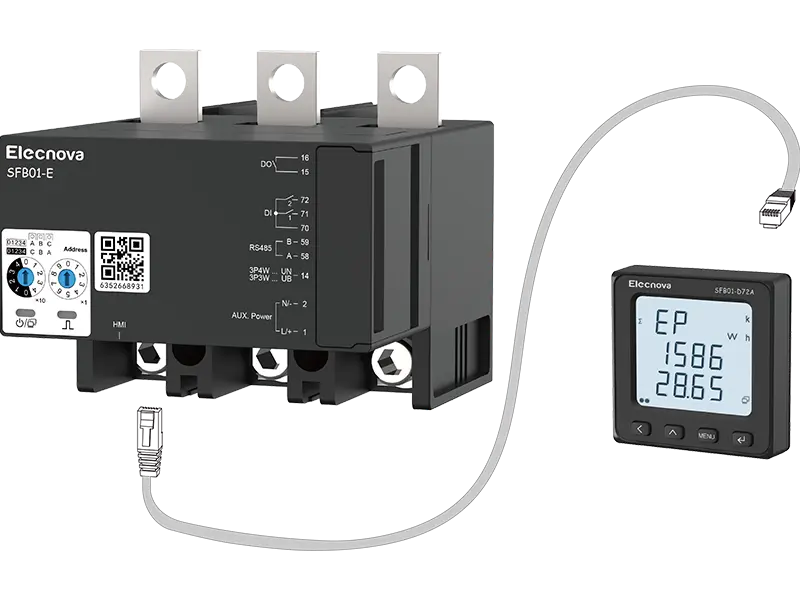
Revenue-grade EV charging meters can measure energy with pinpoint accuracy in both directions, ensuring that users are compensated correctly for energy discharged and charged without error-margins that accumulate over repeated cycles. Companies like Elecnova have pioneered bi-directional energy metering solutions designed explicitly for high-voltage, high-output environments, such as DC fast chargers.
Maximizing ROI: New Revenue Streams for 2026
By 2026, the EV ecosystem has shifted from being a cost center to an income-generating opportunity for forward-thinking operators. Here’s how EV meters play a crucial role in maximizing ROI:
1. Demand Response Programs
Utilities and grid operators increasingly offer incentives for fleet managers and EV owners to participate in demand response programs. By using the stored energy in EV batteries to balance electricity supply during peak hours, operators can earn revenue. A precisely calibrated EV meter ensures transaction accuracy and regulatory compliance.
2. Capitalizing on Dynamic Tariffs
Energy prices fluctuate throughout the day. Advanced EV meters integrated with smart energy management systems allow consumers to charge their EVs when electricity rates are low (or even negative in surplus periods). When prices spike during peak hours, these same systems discharge energy back to the grid for profit.
H3: Technical Requirements for the Modern EVSE Infrastructure
The future of EV metering isn’t just about functionality—it’s about integration, precision, and adaptability.
Communication Protocols for Smart Metering
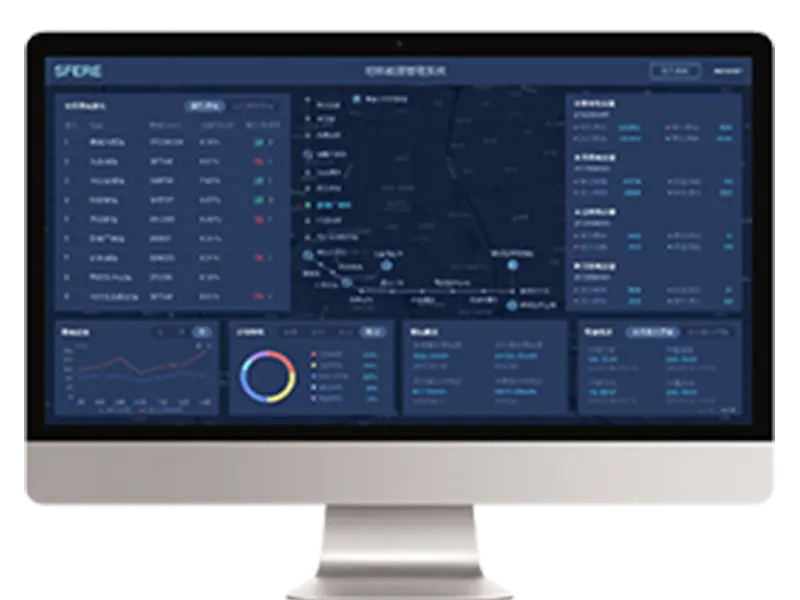
Bidirectional charging and participation in energy markets require seamless communication between EV chargers, energy management systems (EMS), and utilities. Advanced communication protocols such as Modbus-RTU, DLMS, and RS485 are crucial for integrating meters into the smart grid.
Compact and Scalable Form Factors
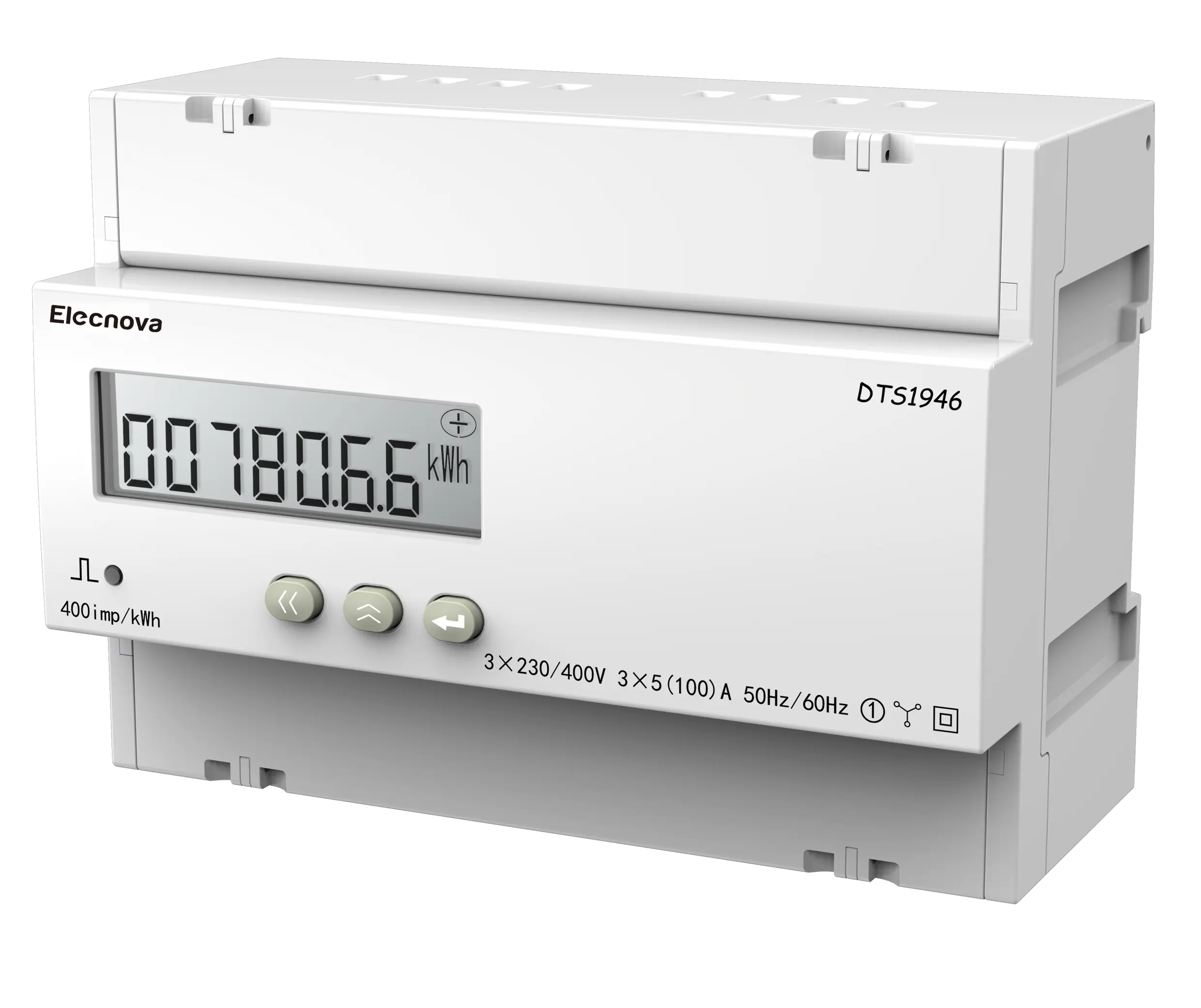
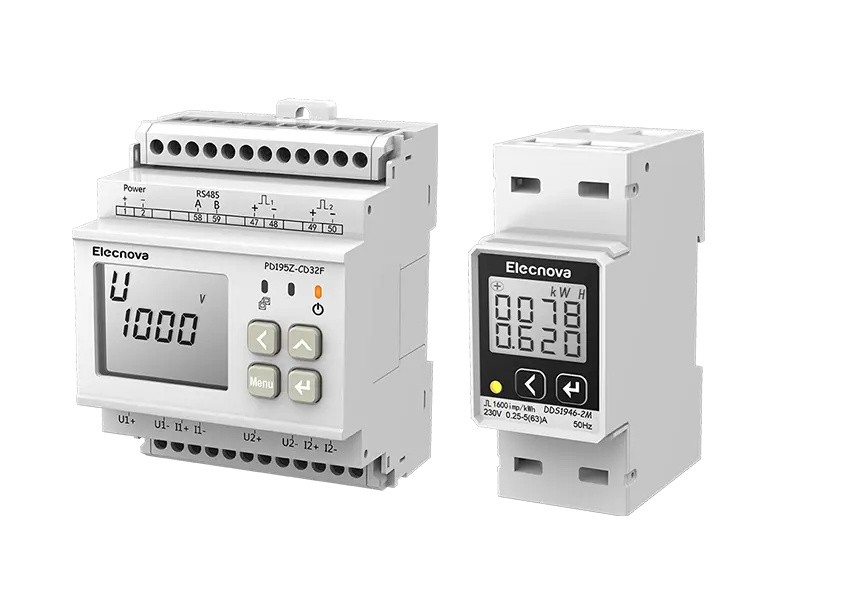
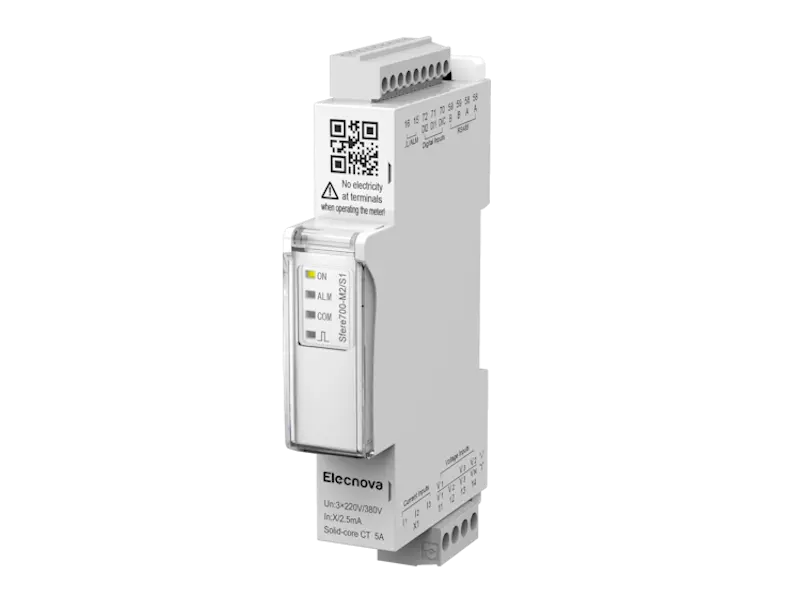
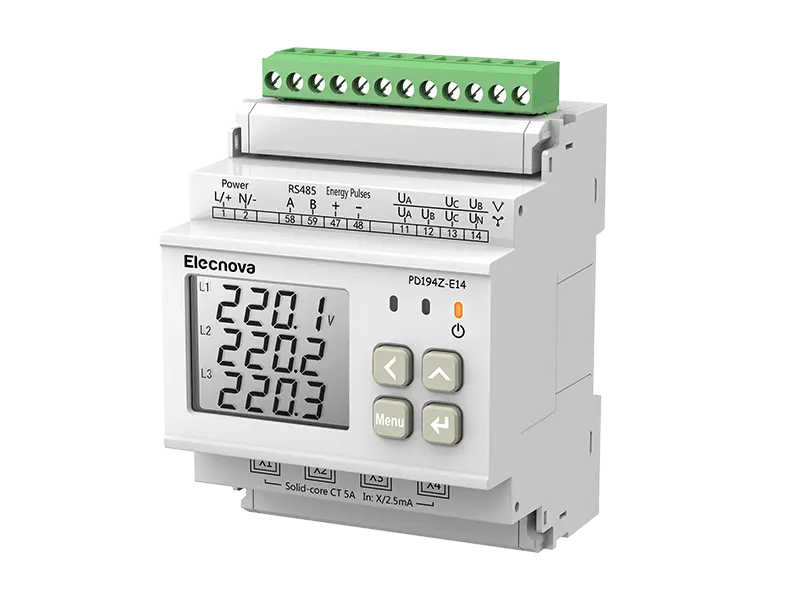
The adoption of DC fast chargers and home charging points necessitates EVSE components to be space-efficient. Cutting-edge EV meters, including those by Elecnova, feature DIN-rail mounting and compact designs to accommodate the growing demand for high-density installations while maintaining robust performance.
Overcoming the "Trust Gap" in Bidirectional Billing
While V2G and V2H present lucrative opportunities, concerns about trust and accuracy are common barriers preventing widespread adoption. Here’s how advanced EV meters are addressing these challenges:
Data Security
In a bi-directional energy ecosystem, the secure transfer of data between EV owners, electricity providers, and aggregators is crucial. Smart meters now leverage encrypted communication protocols to prevent fraud, ensuring "billing spoofing" is not possible.
Precision: Class 1 vs. Class 0.5s Accuracy
EV meters with Class 0.5s accuracy outperform those with Class 1 certification in accurately measuring energy flow to a narrower margin. Over thousands of charging cycles, this higher precision leads to measurable revenue gains, increased financial predictability, and consumer confidence.
The Elecnova Advantage: Future-Proofing Your EV Infrastructure
For businesses, homeowners, and utilities, Elecnova offers specialized electric vehicle charging meters that are setting industry benchmarks.
Designed for Extreme EV Environments
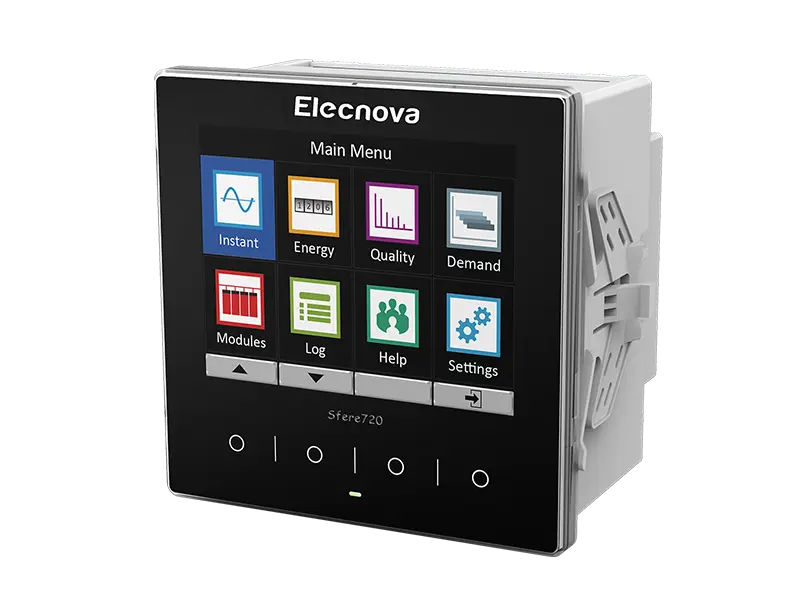
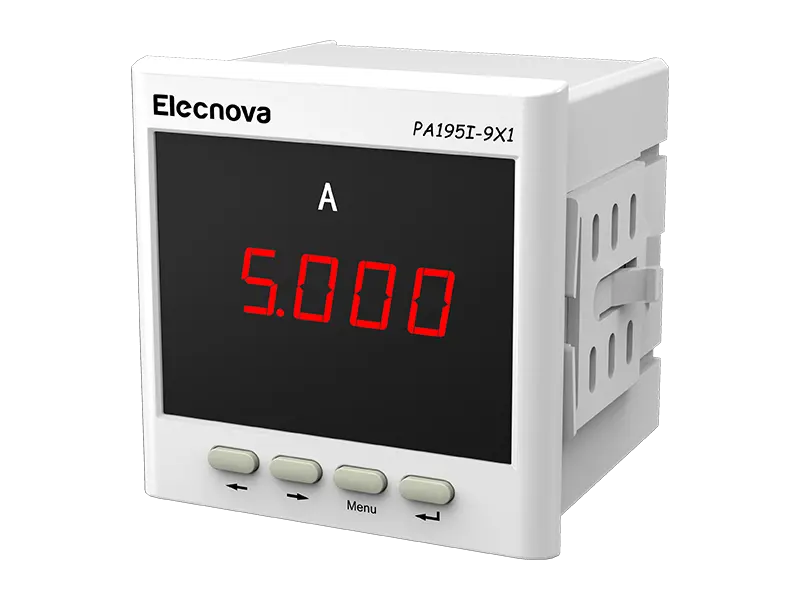
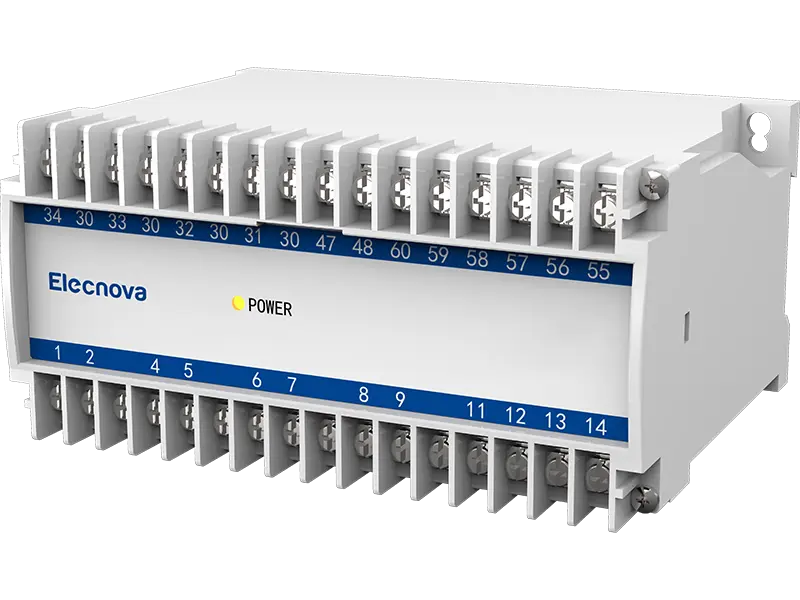
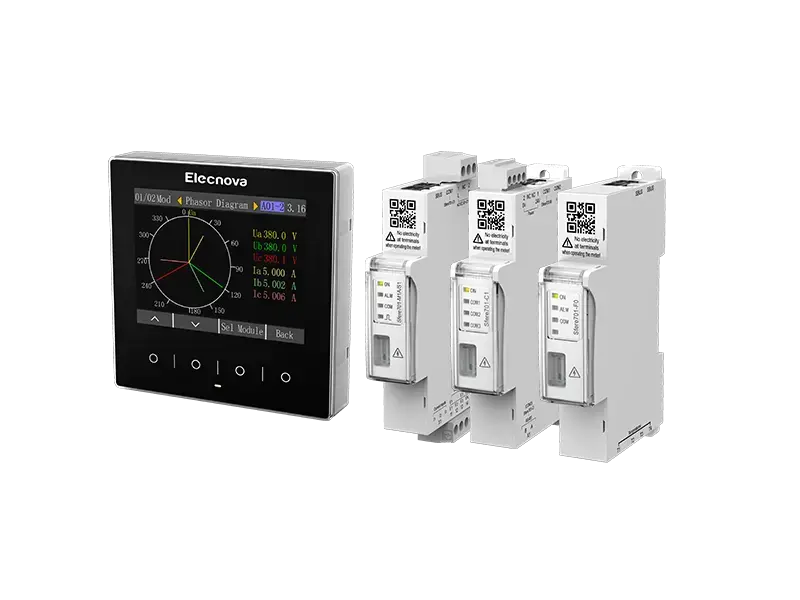
Elecnova’s MID-certified EV meters are engineered to endure high temperatures and manage the high harmonic distortions commonly produced by EV chargers. This ensures seamless operation and accurate billing, even in the most demanding conditions



 CN
CN EN
EN
 fr
fr  de
de  es
es  it
it  ru
ru  ar
ar  vi
vi  tr
tr  th
th