As energy costs continue to rise and electrical infrastructure becomes increasingly complex, facility managers, engineering contractors, and system integrators need smarter ways to monitor power consumption. Instead of installing dozens of individual meters across a building, a multi circuit energy meter offers a centralized, scalable, and cost-effective solution for monitoring multiple electrical circuits simultaneously.
Whether you're managing commercial buildings, industrial plants, data centers, deploying a multi power meter helps improve operational visibility, reduce installation costs, and support long-term energy efficiency initiatives.
In this guide, we'll explain how a multi circuit energy meter works, why engineering professionals increasingly prefer this technology, where it is commonly used, and why Elecnova has become a trusted partner for advanced energy monitoring solutions.
What is a Multi-Circuit Energy Meter?
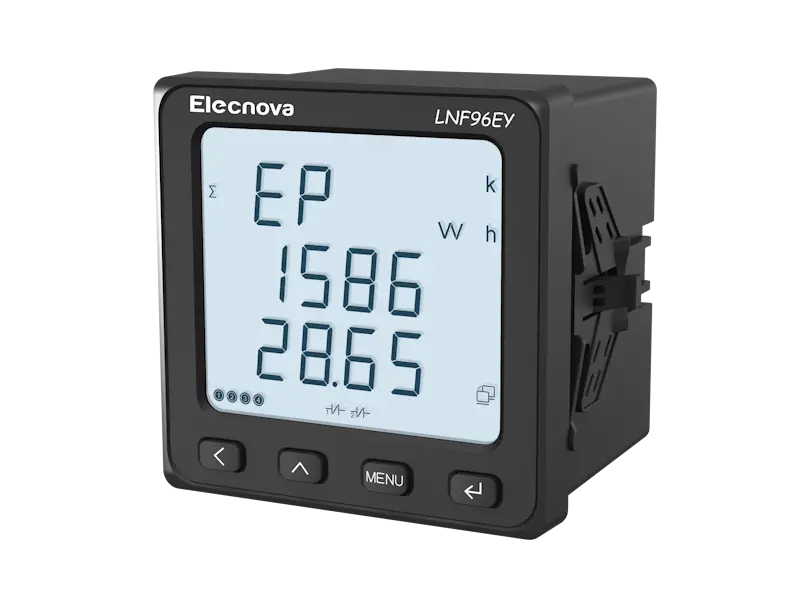
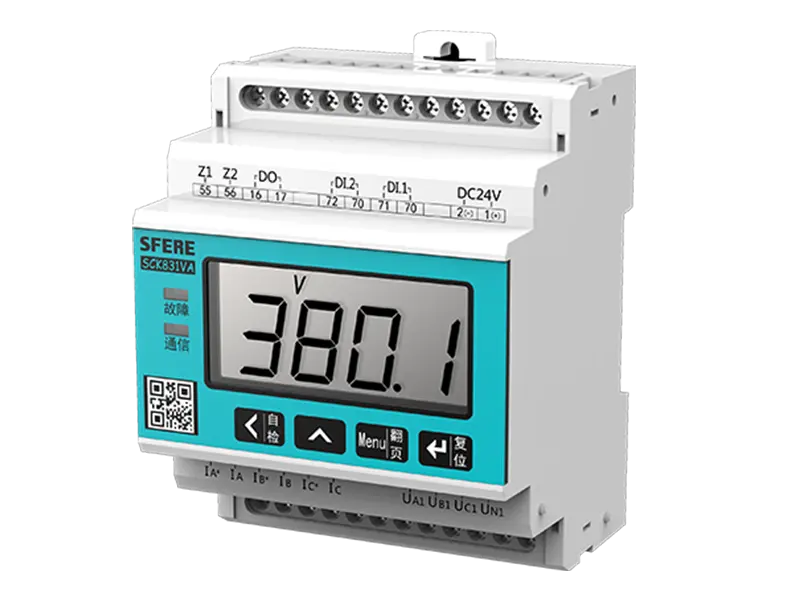
A multi circuit energy meter is an advanced power monitoring device designed to measure electrical parameters across multiple independent circuits using a single meter. Instead of installing one meter for every branch circuit, one centralized system can collect data from numerous feeders simultaneously.
A typical multi power meter measures voltage, current, active power (kW), reactive power (kVar), apparent power (kVA), power factor, frequency, energy consumption (kWh), demand, and, depending on the model, harmonic distortion. These comprehensive measurements provide facility managers and engineers with a complete picture of electrical system performance.
Current transformers (CTs) installed on each monitored circuit send measurement signals to the meter, allowing operators to monitor multiple loads through one interface.
Compared with traditional single-circuit metering, a multi circuit energy meter dramatically simplifies installation while providing centralized visibility into electrical distribution systems.
How Does a Multi Power Meter Work?
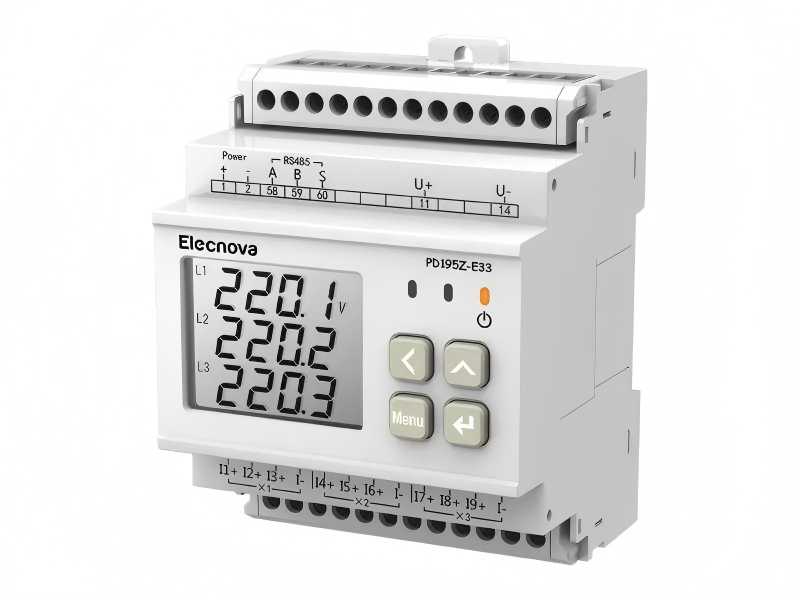
The operating principle is straightforward. Current transformers (CTs) are installed around each branch circuit to measure current, while voltage inputs are connected to the electrical system. The multi power meter continuously collects electrical data from every monitored circuit at the same time. Its embedded processor calculates key energy and power quality parameters before displaying the information locally or transmitting it to Building Management Systems (BMS), SCADA platforms, or energy management software through communication protocols such as Modbus RTU or Modbus TCP.
Because multiple circuits share one centralized controller, installation requires less panel space, fewer devices, simpler wiring, and reduced maintenance compared with deploying multiple individual meters.
Top Benefits: Why Engineering Contractors Prefer Multi-Circuit Monitoring
Engineering contractors increasingly recommend multi circuit energy meter solutions because they deliver measurable technical and economic advantages throughout the entire project lifecycle.
One of the biggest advantages is lower installation cost. Using a single multi power meter to monitor numerous circuits significantly reduces panel space requirements, DIN rail occupancy, wiring complexity, installation materials, and labor hours. These savings become especially noticeable in projects involving dozens or even hundreds of monitored circuits.
Another important benefit is simplified system expansion. As commercial buildings or industrial facilities grow, additional circuits can often be incorporated into the existing monitoring system without redesigning the overall electrical metering architecture. This scalability makes the multi circuit energy meter an excellent long-term investment.
Multi-circuit monitoring also provides far greater energy visibility than traditional metering. Instead of only measuring the main incoming feeder, facility managers can monitor individual branch circuits, identify energy-intensive equipment, detect abnormal electrical loads, compare departmental energy consumption, allocate electricity costs accurately, and support sustainability reporting.
Continuous monitoring further improves preventive maintenance by allowing maintenance teams to identify overloaded circuits, phase imbalances, unexpected demand spikes, and equipment operating outside normal parameters before failures occur. Early detection reduces unplanned downtime while lowering maintenance costs.
Many organizations also rely on detailed circuit-level monitoring to support ISO 50001 energy management initiatives, internal energy audits, carbon reduction programs, utility optimization projects, and energy benchmarking. A multi power meter supplies the detailed data needed to make these initiatives successful.
Finally, modern multi circuit energy meter solutions integrate easily with existing Building Management Systems (BMS), Energy Management Systems (EMS), SCADA platforms, and Industrial IoT applications through widely adopted communication protocols such as Modbus RTU, Modbus TCP/IP, and, on selected models, BACnet.
Typical Use Cases for Multi-Circuit Energy Meters
A multi circuit energy meter is suitable for virtually any application requiring branch-level energy monitoring across multiple electrical circuits.
In commercial office buildings, a multi power meter enables accurate sub-metering for tenants while monitoring HVAC systems, lighting panels, elevators, and server rooms. This helps facility managers optimize building energy performance and allocate energy costs fairly.
Data centers depend on precise monitoring of rack power, UPS systems, cooling equipment, and Power Distribution Units (PDUs). A multi circuit energy meter provides centralized monitoring that supports uptime, operational efficiency, and Power Usage Effectiveness (PUE) optimization.
Manufacturing facilities use multi power meter solutions to monitor production lines, motors, compressors, pumps, welding equipment, and packaging systems. The resulting data helps identify inefficient equipment, reduce energy waste, and support predictive maintenance strategies.
Hospitals require continuous monitoring of critical electrical infrastructure, including operating rooms, imaging equipment, HVAC systems, emergency power supplies, and laboratory facilities. Multi-circuit monitoring improves operational reliability while supporting patient safety.
Educational campuses benefit from centralized monitoring across dormitories, laboratories, libraries, classrooms, and sports facilities. Administrators can compare energy consumption between buildings and identify opportunities for energy savings.
Shopping centers and retail complexes often contain numerous tenant circuits. A multi circuit energy meter simplifies energy allocation, improves operational management, and supports accurate tenant billing.
Multi-Circuit vs. Single-Circuit Meters: Key Performance Differences
Choosing between a traditional energy meter and a multi circuit energy meter depends largely on the project's size, monitoring objectives, and future expansion plans.
| Feature | Multi Circuit Energy Meter | Single Circuit Meter |
|---|
| Number of monitored circuits | Multiple circuits | One circuit |
| Installation efficiency | High | Moderate |
| Panel space required | Low | High |
| Wiring complexity | Lower overall | Higher for multiple circuits |
| Cost for large projects | More economical | Higher due to multiple devices |
| Data centralization | Excellent | Limited |
| Scalability | Excellent | Limited |
| Maintenance workload | Lower | Higher |
| Best suited for | Commercial & industrial facilities | Small standalone installations |
For projects involving dozens of electrical circuits, a multi power meter generally provides a significantly lower total cost of ownership than installing numerous individual meters.
Why Partner with Elecnova for Your Multi Power Meter Solutions?
Choosing the right technology is important, but selecting the right partner is equally critical for long-term project success.
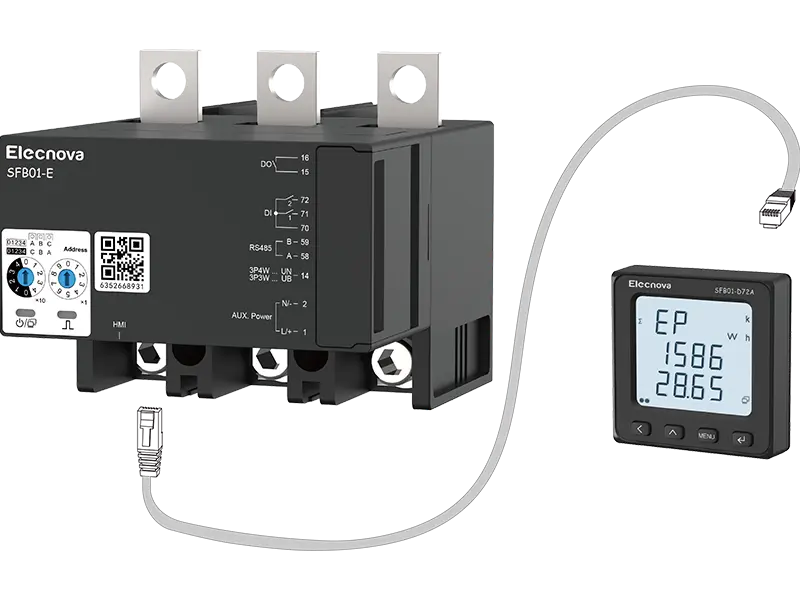
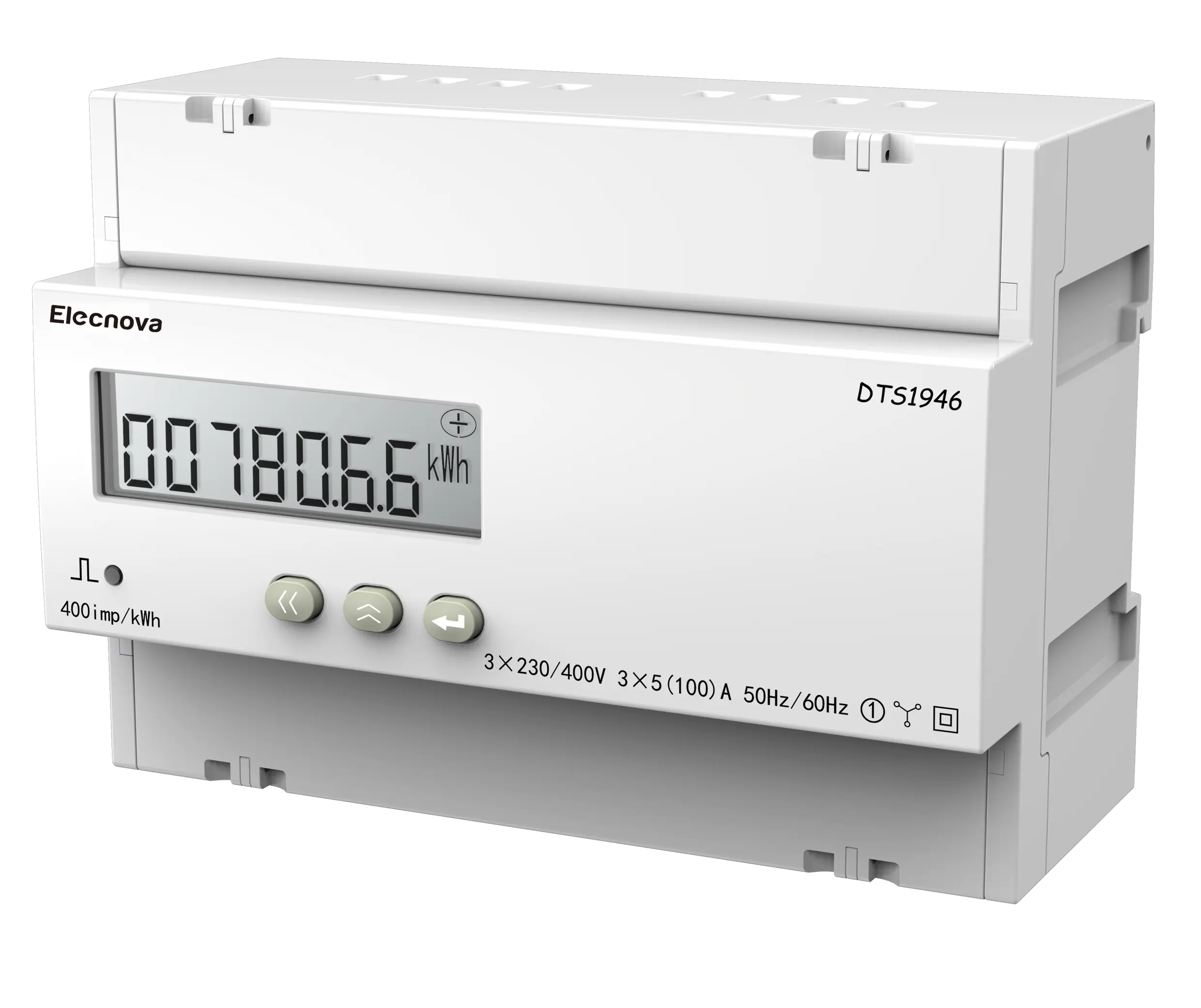
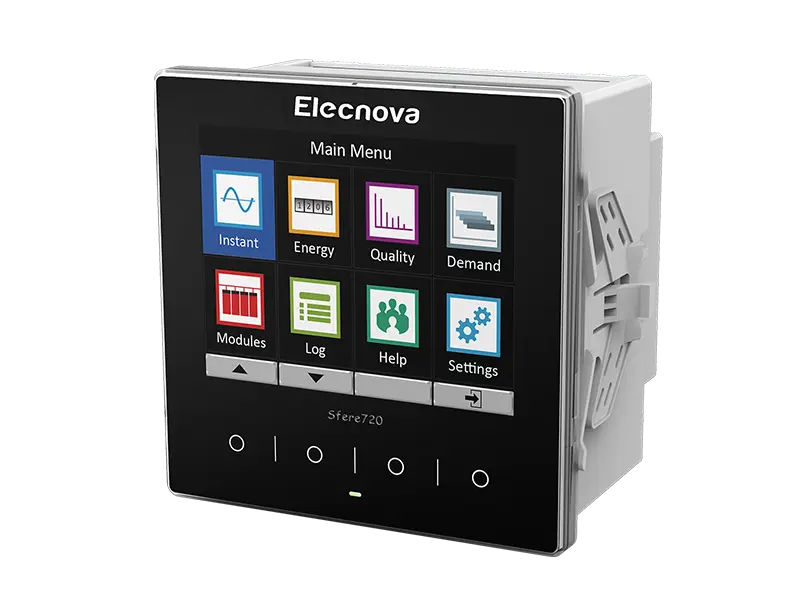
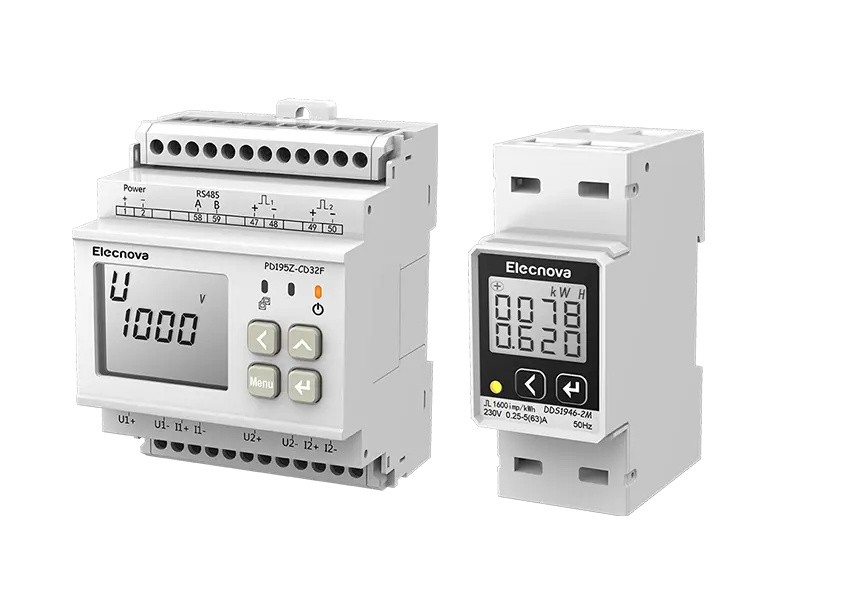
Elecnova specializes in intelligent power monitoring, power quality analysis, and energy management solutions for commercial and industrial applications worldwide. Its comprehensive product portfolio includes multi circuit energy meter solutions, smart power meters, digital panel meters, power quality analyzers, industrial communication gateways, and complete energy management systems.
Elecnova products are designed to deliver reliable measurement accuracy and stable long-term performance, enabling customers to make confident operational decisions based on trustworthy energy data. Their industrial-grade construction allows them to perform reliably in demanding environments such as manufacturing facilities, commercial buildings, utility infrastructure, renewable energy projects, and other mission-critical applications.
To simplify system integration, Elecnova multi power meter solutions support multiple communication interfaces and industry-standard protocols, allowing seamless connectivity with existing monitoring and automation platforms.
Beyond the products themselves, Elecnova provides professional engineering support throughout every stage of a project, from product selection and system design to commissioning and after-sales service. This ensures customers receive the most suitable multi circuit energy meter solution for their specific application.
Explore Elecnova's complete range of energy monitoring solutions here.
If you would like technical consultation or assistance with your project, please contact the Elecnova team.
Conclusion
As electrical systems become more distributed and energy management grows increasingly data-driven, the multi circuit energy meter has become an essential tool for improving visibility, reducing operational costs, and supporting sustainable facility management.
Compared with installing numerous standalone meters, a centralized multi power meter delivers significant advantages in installation efficiency, scalability, maintenance, and long-term cost savings. Whether managing a commercial office building, industrial plant, hospital, data center, or educational campus, multi-circuit monitoring provides the detailed insights needed to optimize energy performance and make better operational decisions.
With extensive experience in intelligent power monitoring, Elecnova delivers reliable, scalable solutions that help organizations build smarter and more efficient electrical infrastructures.
FAQ
1. What is the difference between a multi circuit energy meter and a standard energy meter?
A standard energy meter measures a single electrical circuit, while a multi circuit energy meter can monitor multiple independent circuits simultaneously using one centralized device, making it ideal for larger facilities.
2. When should I choose a multi power meter?
A multi power meter is recommended when your project requires monitoring numerous branch circuits, reducing installation costs, saving panel space, or simplifying centralized energy management.
3. Can a multi circuit energy meter integrate with a Building Management System (BMS)?
Yes. Most modern multi circuit energy meter solutions support communication protocols such as Modbus RTU and Modbus TCP, enabling integration with BMS, SCADA, and energy management platforms.
4. Which industries commonly use multi power meters?
Common industries include commercial real estate, manufacturing, healthcare, education, retail, renewable energy, utilities, and data centers—anywhere multiple electrical circuits require centralized monitoring.
5. Does installing a multi circuit energy meter help reduce energy costs?
Yes. By providing detailed visibility into branch-level electricity consumption, organizations can identify inefficiencies, optimize equipment operation, detect abnormal loads, and implement targeted energy-saving measures.
6. What should I consider when selecting a multi power meter?
Important factors include the number of circuits to be monitored, measurement accuracy, communication protocols, scalability, software compatibility, installation requirements, and the technical support provided by the manufacturer.




 CN
CN EN
EN
 fr
fr  de
de  es
es  it
it  ru
ru  ar
ar  vi
vi  tr
tr  th
th