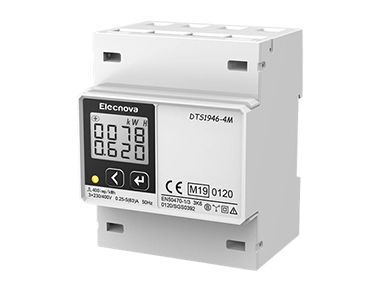
Modern electrical systems demand accurate, real-time visibility into power consumption, equipment performance, and energy quality. Whether you're managing an industrial plant, commercial building, renewable energy installation, or data center, a DIN rail power monitor provides the essential data needed to improve efficiency, reduce operating costs, and maintain reliable power distribution.
Unlike traditional analog instruments, today's digital power meter DIN devices offer comprehensive electrical measurements, communication capabilities, and seamless integration with energy management systems. They are compact, easy to install inside electrical panels, and designed for long-term operation in demanding environments.
In this guide, you'll learn how a DIN rail power monitor works, what parameters it measures, where it's commonly used, and how to choose the right solution for your application.
What is a DIN Rail Power Monitor?
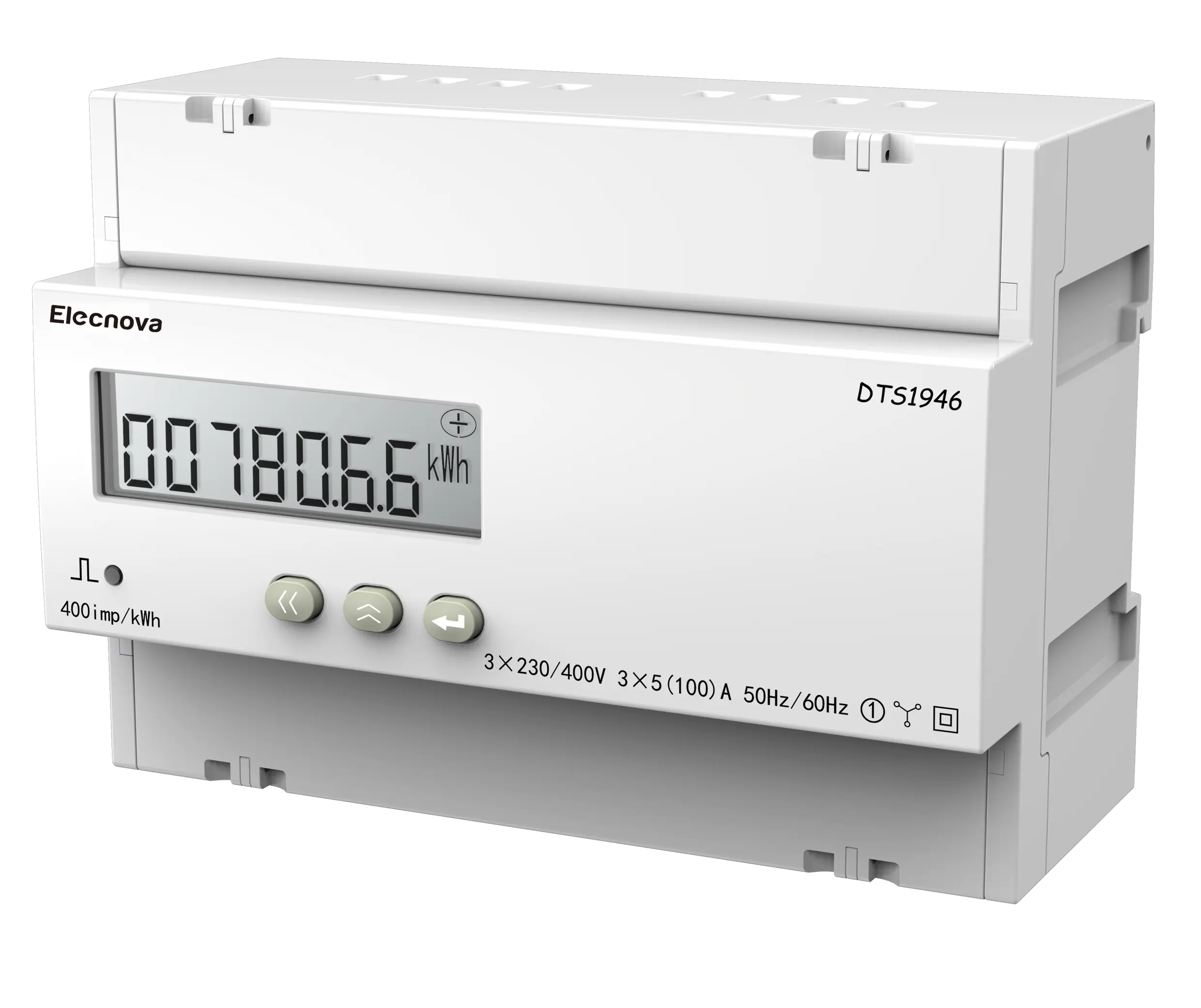
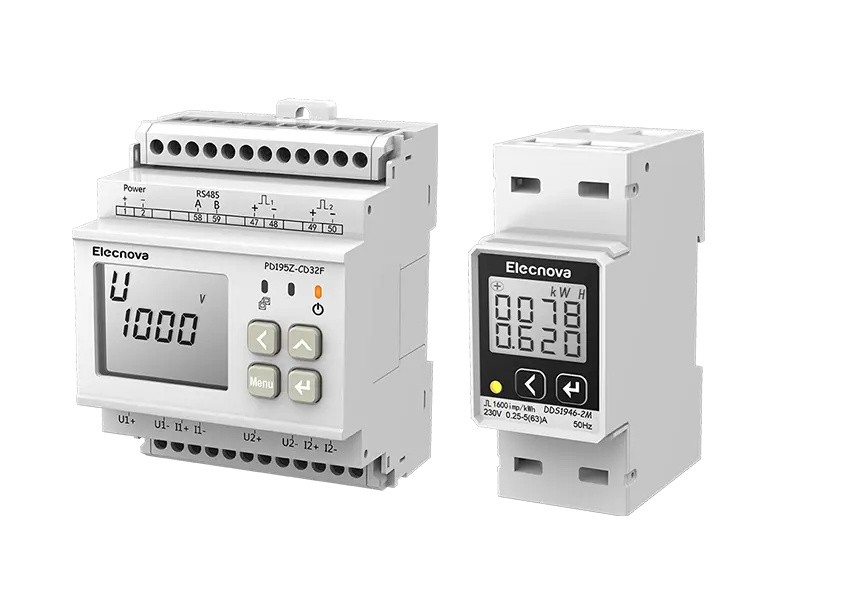
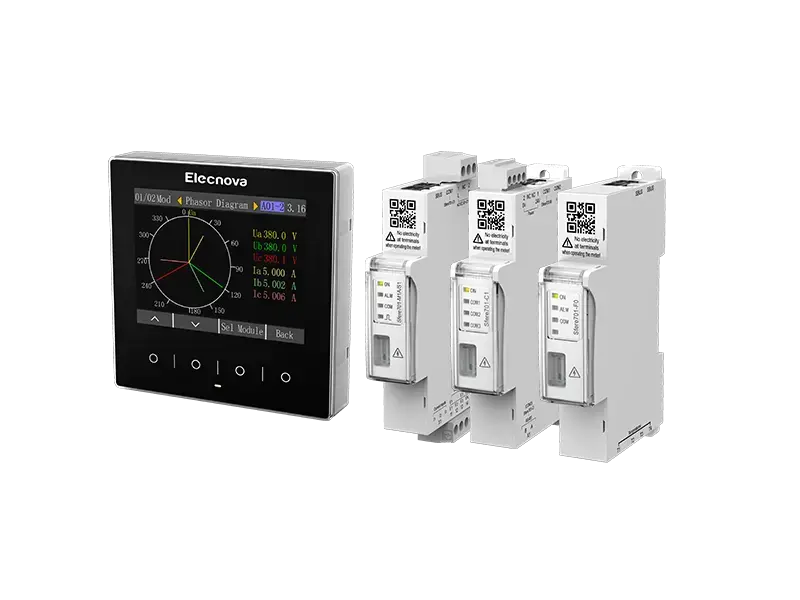
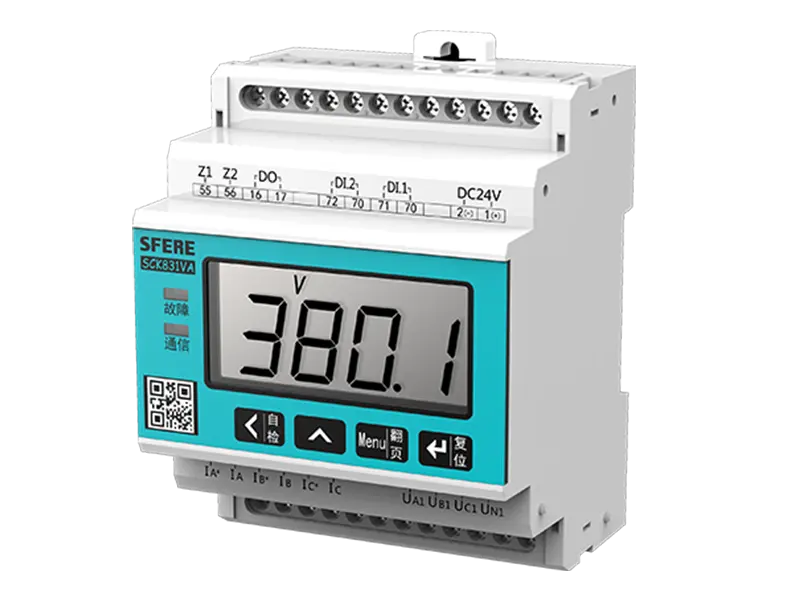
A DIN rail power monitor is a compact digital electrical monitoring device designed to be mounted on a standard 35 mm DIN rail inside electrical distribution panels. It continuously measures and records electrical parameters, enabling users to monitor power consumption, analyze power quality, detect abnormal operating conditions, and optimize energy usage.
Compared with conventional panel meters, a modern power meter DIN combines multiple measurement functions into a single device, reducing wiring complexity while providing significantly greater visibility into electrical system performance. In addition to measuring electrical values in real time, many models support energy recording, demand monitoring, alarm functions, event logging, and remote communication through protocols such as Modbus RTU, Modbus TCP, RS485, or Ethernet. These capabilities allow the monitor to integrate seamlessly with SCADA, Building Management Systems (BMS), and Energy Management Systems (EMS), making it an essential component of modern intelligent power distribution.
Because installation follows the standardized DIN rail format, expanding or replacing monitoring equipment is straightforward, making the DIN rail power monitor suitable for both new electrical installations and retrofit projects.
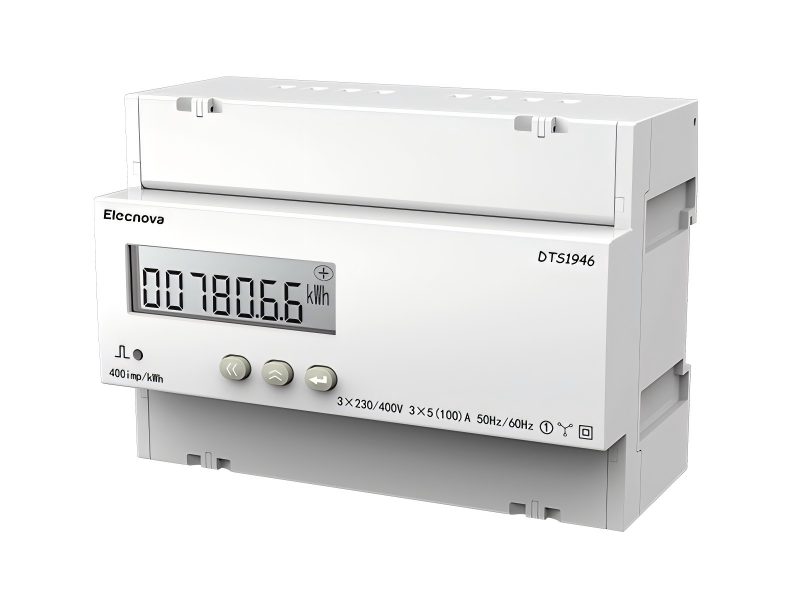
What Electrical Parameters Can a DIN Rail Power Monitor Measure?
One of the greatest advantages of a modern DIN rail power monitor is its ability to monitor multiple electrical parameters simultaneously, giving engineers and facility managers a complete understanding of system performance.
| Measurement Category | Typical Parameters |
|---|
| Voltage | Phase voltage, line voltage, average voltage |
| Current | Phase current, neutral current |
| Power | Active power (kW), reactive power (kVar), apparent power (kVA) |
| Energy | Active energy (kWh), reactive energy (kVarh) |
| Power Quality | Power factor, frequency, phase angle |
| Demand | Maximum demand, average demand |
| Load Analysis | Load balance, phase imbalance |
| System Status | Alarm events, overload indication |
Voltage monitoring helps identify overvoltage, undervoltage, and phase imbalance before they cause equipment damage or production interruptions. Current measurements reveal overloaded circuits, abnormal equipment behavior, and inefficient electrical loads that may increase operating costs.
A power meter DIN also calculates active, reactive, and apparent power, providing valuable insights into equipment performance and overall system efficiency. Continuous energy measurement enables accurate cost allocation, tenant billing, equipment benchmarking, and long-term energy management initiatives.
In addition, the monitor measures power factor and system frequency, two important indicators of power quality. Maintaining an optimal power factor can help reduce utility penalties, while stable frequency readings provide confidence that the electrical system is operating normally. Together, these measurements allow organizations to make informed decisions that improve reliability, efficiency, and energy savings.
Common Applications of DIN Rail Power Monitors
The versatility of a DIN rail power monitor makes it suitable for a wide range of industries where reliable electrical monitoring and energy management are essential. From industrial production facilities to commercial buildings and renewable energy systems, these devices provide real-time operational data that supports greater efficiency, improved reliability, and informed decision-making.
Industrial Manufacturing
Manufacturing plants rely heavily on continuous electrical monitoring to minimize downtime and optimize equipment performance. A power meter DIN can be installed in motor control centers, production lines, compressor systems, conveyor equipment, and other critical machinery to monitor electrical loads in real time. By identifying abnormal power consumption or overloaded circuits early, maintenance teams can prevent unexpected equipment failures while improving production efficiency.
Commercial Buildings
Commercial buildings such as office complexes, shopping malls, hotels, hospitals, and educational institutions increasingly use DIN rail power monitor devices to improve facility management. Continuous monitoring of HVAC systems, lighting, elevators, and other major electrical loads enables facility managers to optimize energy consumption, reduce operating costs, and maintain a comfortable environment for occupants.
Data Centers
Power reliability is essential for data centers, where even a brief interruption can result in significant operational losses. A DIN rail power monitor provides continuous visibility into UPS systems, power distribution units, server racks, backup generators, and branch circuits. This real-time monitoring helps operators detect abnormal electrical conditions early, reducing the risk of outages and improving overall system reliability.
Renewable Energy Systems
Renewable energy projects depend on accurate electrical monitoring to maximize energy production and ensure stable operation. A power meter DIN is commonly installed in solar photovoltaic systems, battery energy storage systems, wind power installations, and grid connection points. By continuously measuring generation and consumption data, operators can evaluate system performance, optimize energy utilization, and maximize return on investment.
Smart Buildings
As intelligent building technologies continue to evolve, the DIN rail power monitor has become an important source of real-time electrical data for Building Management Systems (BMS). Integrated monitoring supports automated load control, demand response programs, predictive maintenance strategies, carbon reporting, and occupancy-based energy optimization, helping building owners achieve both operational efficiency and sustainability goals.
Utility Sub-Metering
Accurate sub-metering is increasingly important for commercial properties, industrial parks, apartment complexes, and multi-tenant buildings. The compact design of a DIN rail power monitor allows multiple units to be installed within a single distribution cabinet, providing precise energy data for tenant billing, departmental cost allocation, and comprehensive energy management across large facilities.
Key Benefits of Installing a DIN Rail Power Monitor
Installing a DIN rail power monitor provides far more than simple energy measurement. It gives operators continuous visibility into electrical system performance, allowing them to identify inefficiencies before they become costly problems.
Real-time monitoring helps organizations understand where electricity is being consumed and where unnecessary energy waste occurs. By analyzing consumption trends and peak demand periods, businesses can optimize equipment operation, improve load management, and reduce electricity costs without compromising productivity.
The monitoring data also supports predictive maintenance. Electrical abnormalities such as voltage imbalance, current overload, declining power factor, or unusual demand patterns often appear long before equipment failure occurs. Detecting these warning signs early allows maintenance teams to schedule repairs proactively, minimizing unplanned downtime and extending equipment life.
Another significant advantage is improved power quality management. Continuous monitoring enables operators to identify issues that may contribute to overheating, motor failures, production interruptions, or reduced equipment lifespan. Addressing these problems promptly helps maintain a stable and reliable electrical system.
From an installation perspective, the compact DIN rail design minimizes cabinet space requirements while simplifying installation and future expansion. At the same time, built-in communication capabilities allow the power meter DIN to integrate easily with SCADA, EMS, BMS, and cloud-based monitoring platforms, providing centralized access to electrical data across multiple facilities.
DIN Rail Power Monitor vs Traditional Analog Meter
| Feature | DIN Rail Power Monitor | Traditional Analog Meter |
|---|
| Measurement Accuracy | High | Moderate |
| Multi-Parameter Monitoring | Yes | Limited |
| Energy Recording | Yes | Usually No |
| Remote Communication | Yes | No |
| Data Logging | Yes | No |
| Alarm Functions | Yes | No |
| Smart System Integration | Excellent | Not Supported |
| Installation | Compact DIN Rail | Larger Panel Mount |
For organizations seeking digital transformation and intelligent energy management, a DIN rail power monitor offers substantially greater functionality than conventional analog instruments.
Why Choose Elecnova as Your DIN Rail Power Monitor Manufacturer?
Selecting a reliable manufacturer is essential to achieving accurate measurements, dependable system performance, and long-term operational stability. With extensive experience in intelligent power monitoring and energy management, Elecnova has established itself as a trusted supplier of advanced electrical measurement solutions for industrial, commercial, utility, and infrastructure applications.
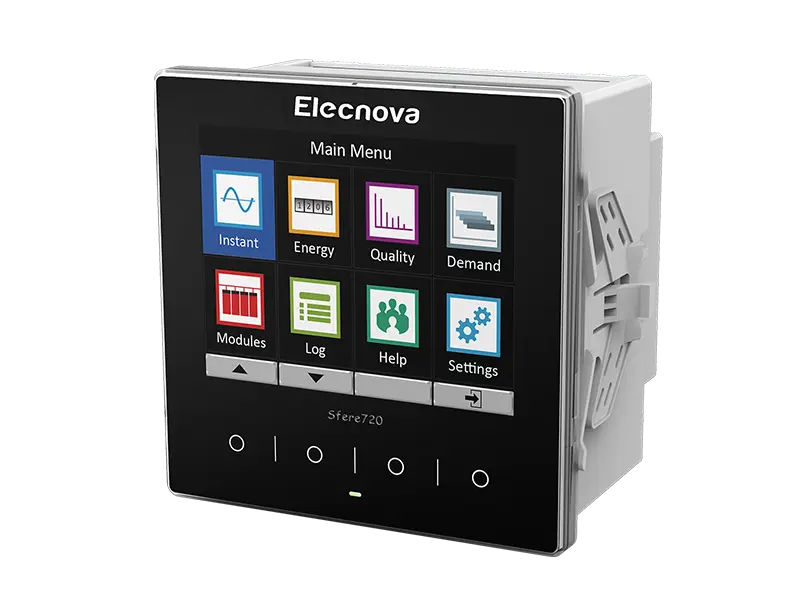
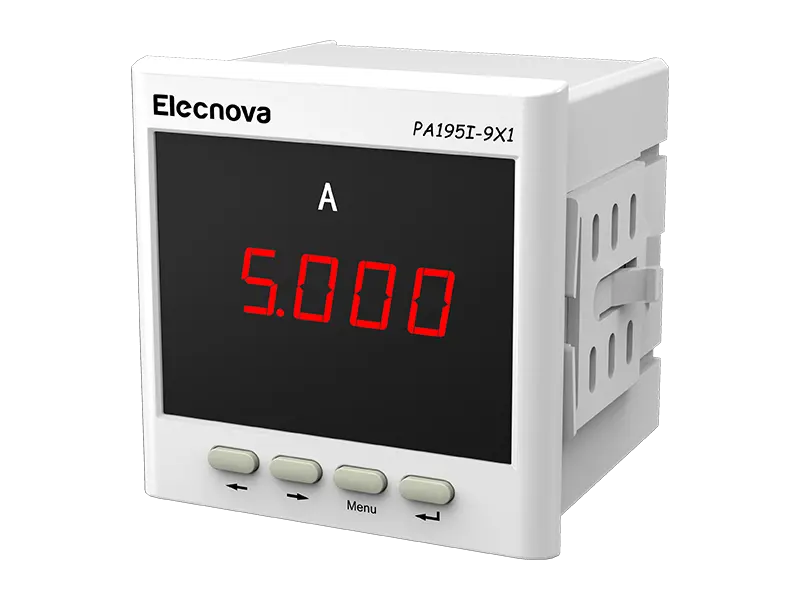
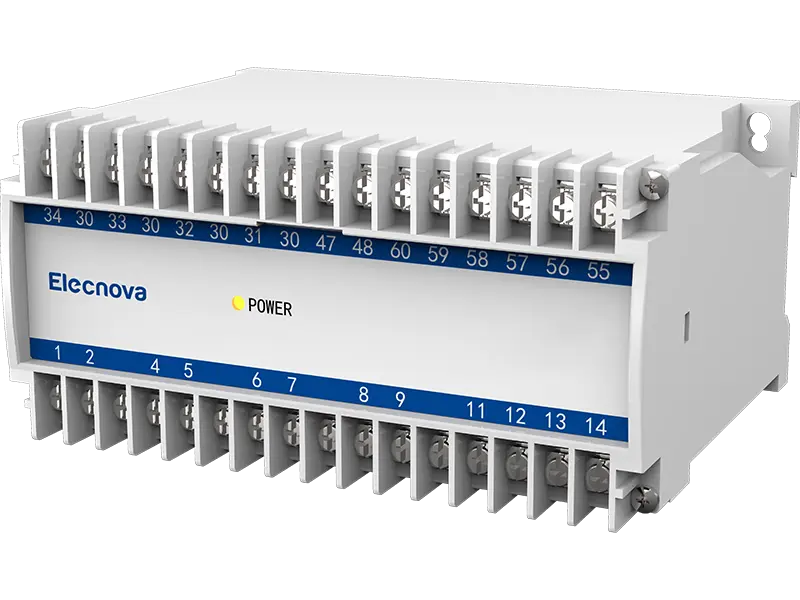
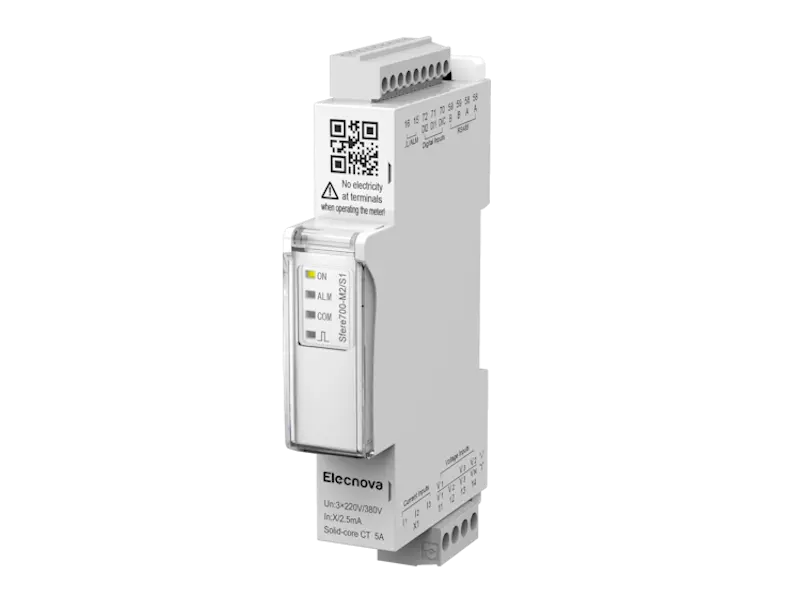
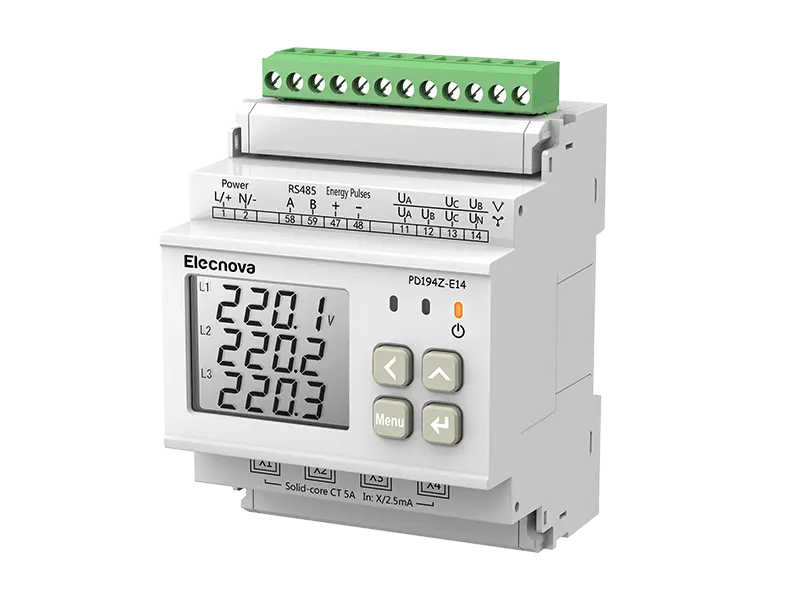
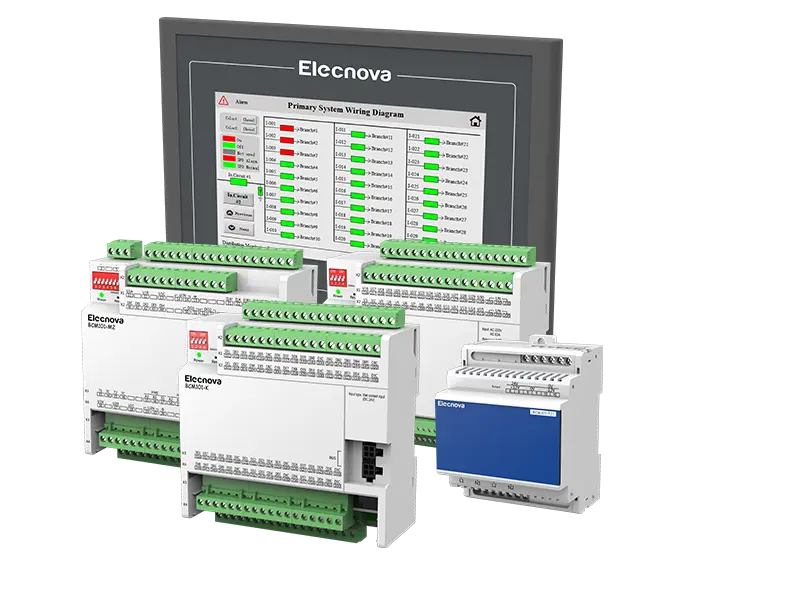
Elecnova designs and manufactures a comprehensive range of DIN rail power monitor and power meter DIN products that combine high measurement accuracy with robust communication capabilities. The company's solutions support widely used industrial protocols, making integration with SCADA, Energy Management Systems (EMS), and Building Management Systems (BMS) both efficient and reliable.
Beyond product quality, Elecnova provides professional technical support and customized solutions tailored to different project requirements. Whether the application involves factory automation, commercial buildings, renewable energy systems, or power distribution networks, customers benefit from products engineered for long-term reliability, straightforward installation, and scalable system expansion.
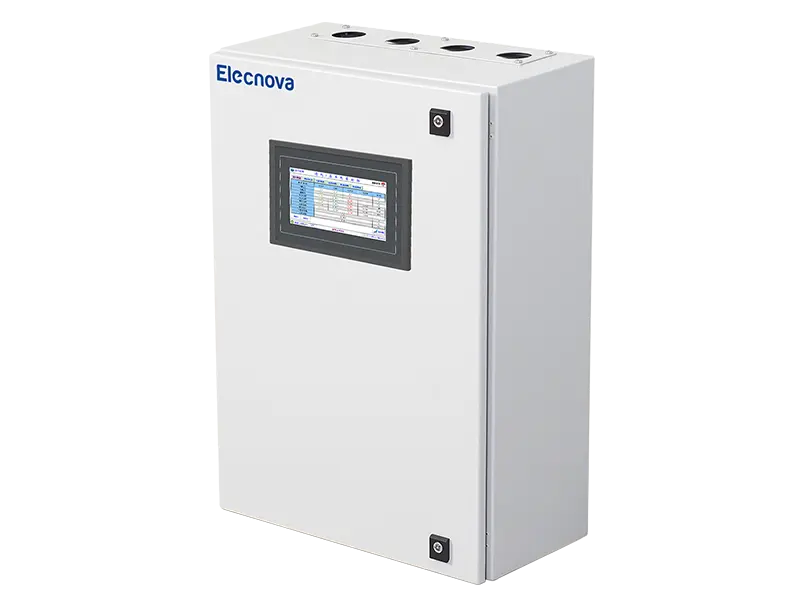
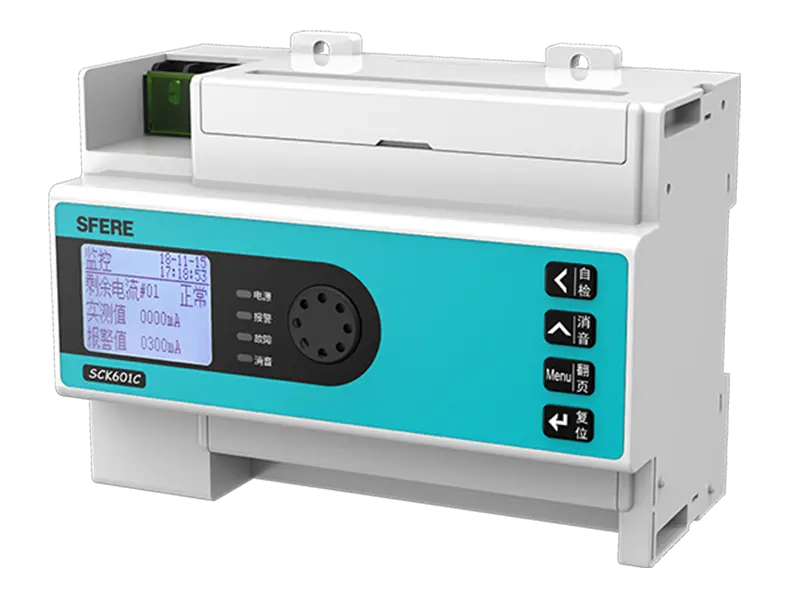
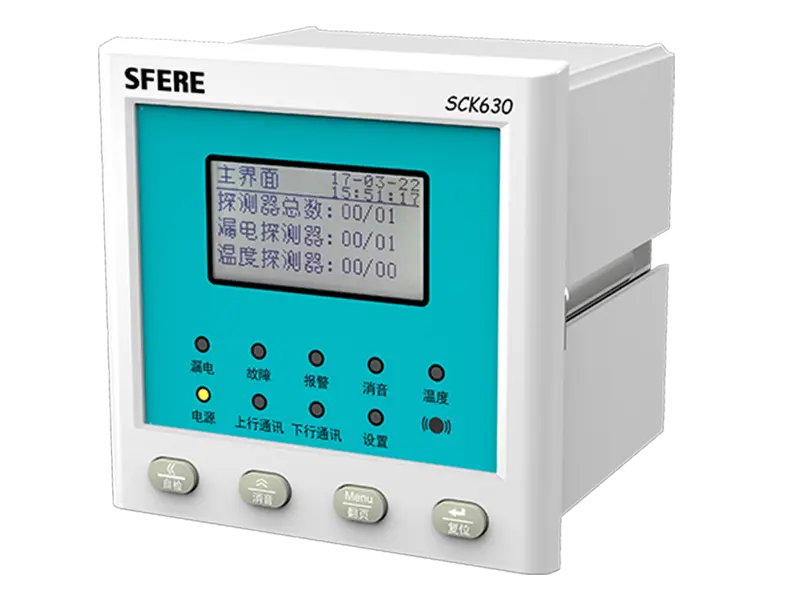
Explore Elecnova's complete product portfolio here:
If you need assistance selecting the right DIN rail power monitor or require a customized solution, contact the Elecnova engineering team.
Conclusion
A DIN rail power monitor has become an essential component of modern electrical systems, delivering accurate real-time visibility into energy consumption, power quality, and equipment performance. Compared with traditional metering solutions, today's digital power meter DIN devices provide comprehensive measurement capabilities, communication interfaces, and intelligent analytics that support predictive maintenance and energy optimization.
Whether you're managing industrial facilities, commercial buildings, renewable energy projects, or smart infrastructure, investing in the right monitoring solution helps improve operational efficiency, reduce energy costs, and enhance system reliability. By partnering with an experienced manufacturer like Elecnova, businesses gain access to high-quality products, expert technical support, and scalable solutions designed for long-term performance.
FAQ
1. What is a DIN rail power monitor?
A DIN rail power monitor is a digital electrical monitoring device installed on a standard DIN rail to measure voltage, current, power, energy consumption, frequency, power factor, and other key electrical parameters in real time.
2. What is the difference between a DIN rail power monitor and a standard energy meter?
A standard energy meter primarily measures electricity consumption (kWh), while a DIN rail power monitor provides comprehensive monitoring of electrical parameters such as voltage, current, active and reactive power, frequency, power factor, demand, and energy, often with remote communication capabilities.
3. Can a power meter DIN communicate with SCADA or BMS systems?
Yes. Most modern power meter DIN devices support communication protocols such as Modbus RTU, Modbus TCP, RS485, or Ethernet, allowing seamless integration with SCADA, EMS, and Building Management Systems.
4. Is a DIN rail power monitor suitable for three-phase electrical systems?
Yes. Many DIN rail power monitor models are designed for both single-phase and three-phase electrical systems, providing accurate monitoring across all phases for industrial and commercial applications.
5. How accurate are DIN rail power monitors?
Industrial-grade DIN rail power monitor devices typically achieve energy measurement accuracy of Class 0.5S or Class 1, depending on the model and applicable international standards, making them suitable for both energy monitoring and sub-metering.
6. How do I choose the right DIN rail power monitor?
When selecting a DIN rail power monitor, consider factors such as the electrical system type, required measurement functions, communication protocol, installation space, accuracy class, and software integration requirements. Consulting an experienced manufacturer like Elecnova can help ensure the selected solution meets both current operational needs and future expansion plans.



 CN
CN EN
EN
 fr
fr  de
de  es
es  it
it  ru
ru  ar
ar  vi
vi  tr
tr  th
th