An electronic system rarely fails because of a single component suddenly stopping without warning. In many industrial and commercial applications, failures often begin with conditions that are easy to overlook — rising internal temperatures, accumulated dust, moisture exposure, unstable operating environments, or insufficient protection. Over time, these factors can affect sensitive electronic components and reduce the reliability of the entire system.
This is why protection cannot be treated as an afterthought. An electronic equipment cabinet provides a controlled environment where critical electronic devices can operate with greater stability. By protecting components from external interference while supporting organization, cooling, and maintenance, it becomes an essential part of reliable electrical system design.
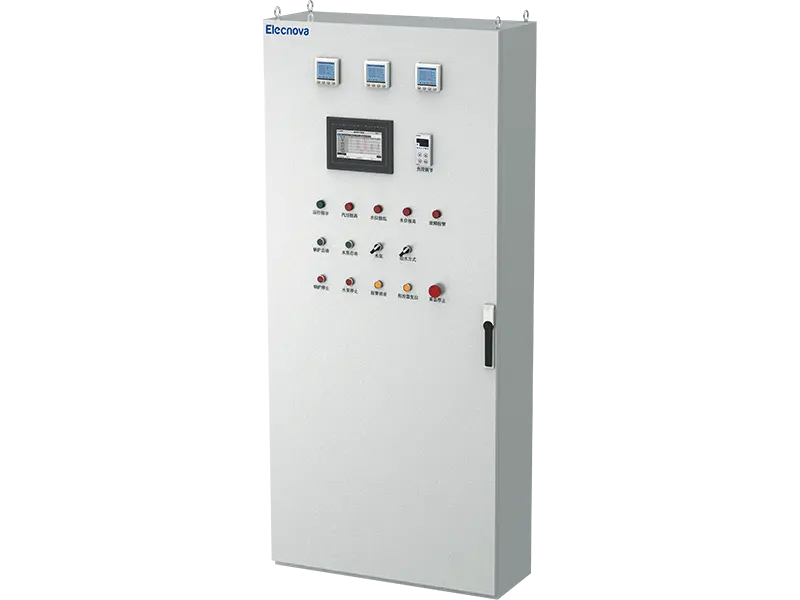
For applications involving automation systems, energy management equipment, communication devices, and industrial controls, an electronic control cabinet does more than contain hardware. It creates a structured environment where monitoring, power distribution, and control functions can work together safely and efficiently. Elecnova Power develops electrical solutions that help organizations improve equipment protection and maintain reliable system performance in demanding operating conditions.
The Environmental Challenges That Put Modern Electronics at Risk
Electronic components are becoming smaller, faster, and more powerful, but this increased performance also makes them more sensitive to environmental conditions. A circuit board, controller, or communication module may operate reliably under controlled conditions but experience reduced performance when exposed to harsh surroundings.
Dust is one of the most common threats in industrial environments. Fine particles can enter electrical equipment, accumulate on components, and affect heat dissipation or electrical connections. In manufacturing plants, processing facilities, and outdoor installations, this issue can gradually reduce equipment reliability.
Moisture and humidity create another challenge. Condensation inside electrical equipment may lead to corrosion, insulation problems, or unexpected failures. Temperature fluctuations can also affect electronic components because excessive heat accelerates aging, while rapid temperature changes may create additional stress on sensitive devices.
Electromagnetic interference is another factor that cannot be ignored in modern systems. Industrial machinery, power equipment, and communication devices may generate electrical noise that affects signal stability if electronic components are not properly protected.
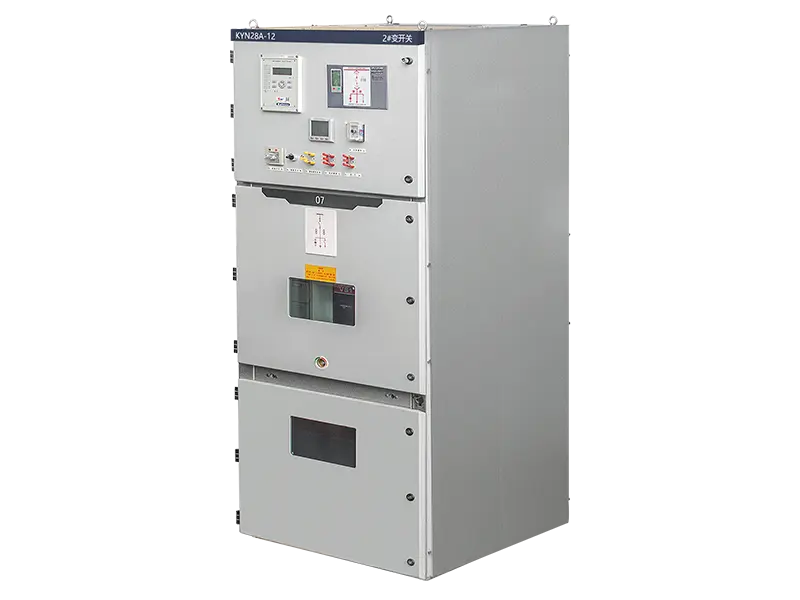
An electronic equipment cabinet helps address these challenges by creating a controlled operating environment. Instead of exposing valuable electronics directly to surrounding conditions, the cabinet provides a dedicated space designed to improve protection, stability, and long-term performance.
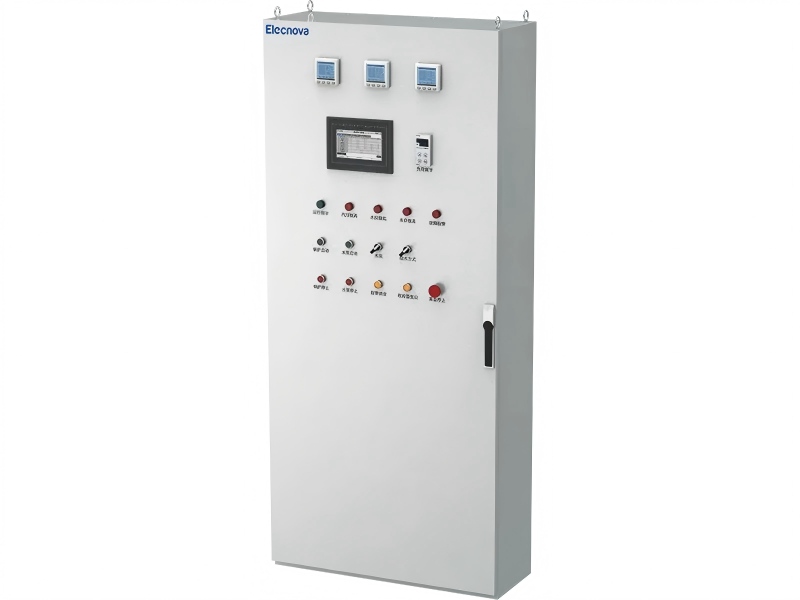
How Electronic Equipment Cabinets Create a Safer Operating Environment for Electronics
The purpose of an electronic equipment cabinet extends far beyond simply covering electronic components. It creates a structured environment where different devices can operate together while reducing the impact of external risks.
A properly designed cabinet protects internal equipment from dust, moisture, accidental contact, and mechanical impact. This protection is especially important in industrial environments where electronic systems may be installed close to production equipment, machinery, or areas with frequent human activity.
An electronic control cabinet provides additional value by organizing control components, electrical modules, communication equipment, and monitoring devices in one centralized location. This arrangement improves system management because technicians can easily identify components, inspect connections, and perform maintenance when required.
Compared with scattered equipment installation, a dedicated electronic cabinet creates a cleaner and more manageable system structure. It reduces wiring complexity and helps improve consistency across different installations.
| Comparison Factor | Open Electronic Installation | Electronic Equipment Cabinet Solution |
|---|
| Environmental Protection | Components are directly exposed to surrounding conditions | Provides protection against dust, moisture, and physical impact |
| Equipment Organization | Multiple devices may create complex wiring arrangements | Provides structured component layout and easier maintenance |
| Thermal Management | Depends mainly on the surrounding environment | Supports planned airflow and cooling management |
| System Reliability | Higher risk from external interference | Creates a more stable operating environment for electronics |
Key Design Factors That Determine Electronic Equipment Cabinet Performance
The performance of an electronic equipment cabinet depends on multiple design factors working together. A cabinet that is suitable for one application may not provide the same performance in another environment.
Protection level is one of the first considerations. Industrial environments, outdoor locations, and clean indoor facilities have different requirements. The cabinet design needs to match factors such as dust exposure, moisture levels, installation location, and operating conditions.
Internal arrangement also directly affects usability and reliability. An effective electronic control cabinet should provide enough space for component installation, wiring, inspection, and future modifications. Poor internal organization can make troubleshooting more difficult and may affect airflow around heat-generating components.
Material selection is another important factor. The cabinet structure needs to provide mechanical strength while maintaining durability under specific environmental conditions. Applications exposed to humidity, chemicals, or outdoor conditions may require additional protection features.
A well-designed cabinet also considers maintenance requirements. Easy access to components, clear wiring organization, and logical placement of devices can reduce service time and improve overall system availability.
Elecnova Power provides electrical monitoring and power management solutions designed for different industrial and commercial applications. Organizations evaluating cabinet-based electrical solutions can explore suitable options through Elecnova Power’s electrical products based on their system requirements.
Managing Heat and Airflow to Improve Electronic System Reliability
Heat is one of the most common factors affecting electronic equipment reliability. When multiple components operate inside a confined space, the accumulated heat can increase internal temperature and influence equipment performance.
An effective electronic equipment cabinet manages heat through proper airflow design, ventilation solutions, and suitable cooling methods. The goal is to maintain a stable internal environment where electronic components can operate within their recommended conditions.
Component arrangement plays an important role in thermal performance. Heat-generating devices should be positioned carefully to prevent hot spots and allow sufficient airflow around sensitive components.
For an electronic control cabinet, thermal management becomes even more important because multiple systems may operate together, including controllers, communication modules, power devices, and monitoring equipment. Without proper heat control, even high-quality components may experience reduced service life.
Good cabinet design combines protection and thermal management rather than treating them as separate functions. This approach helps maintain stable operation while reducing the risk of unexpected downtime.
Where Electronic Equipment Cabinets Support Reliable Operations Across Industries
Electronic cabinets are used in industries where equipment reliability and system availability are critical. Their ability to protect, organize, and support electronic systems makes them an important part of modern infrastructure.
In industrial automation, an electronic control cabinet acts as a central location for controllers, power modules, and communication equipment that manage production processes. Reliable cabinet protection helps reduce interruptions and supports stable manufacturing operations.
In energy applications, electronic cabinets support monitoring and control functions for power systems, renewable energy projects, and energy management equipment. These environments often require continuous operation, making equipment protection essential.
Commercial buildings, transportation systems, and communication facilities also rely on electronic equipment cabinet solutions. These applications depend on stable electronic operation, and proper protection helps maintain system performance over long periods.
Moving Toward Smarter Protection with Intelligent Electronic Cabinet Solutions
The development of electronic cabinets is moving from basic protection toward intelligent monitoring and management. As electrical systems become more connected, users need greater visibility into equipment conditions and operating performance.
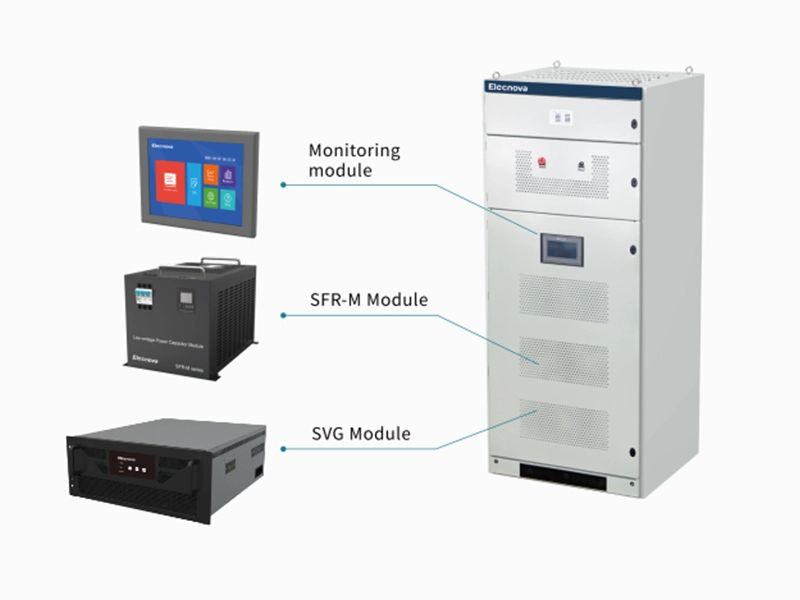
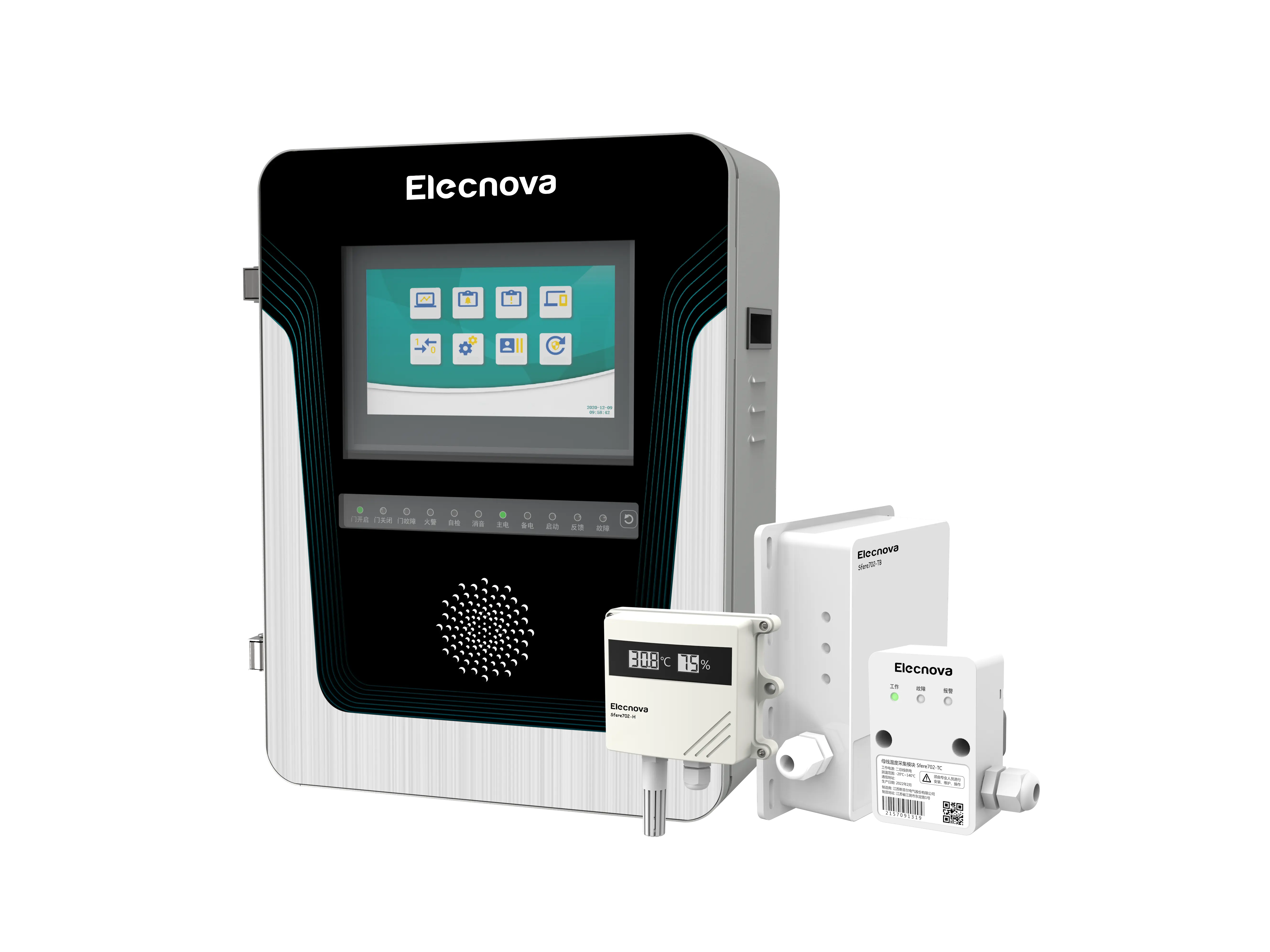
A modern electronic equipment cabinet can integrate monitoring functions that provide information about temperature, power conditions, equipment status, and other operational data. This allows maintenance teams to identify potential issues earlier and respond more efficiently.
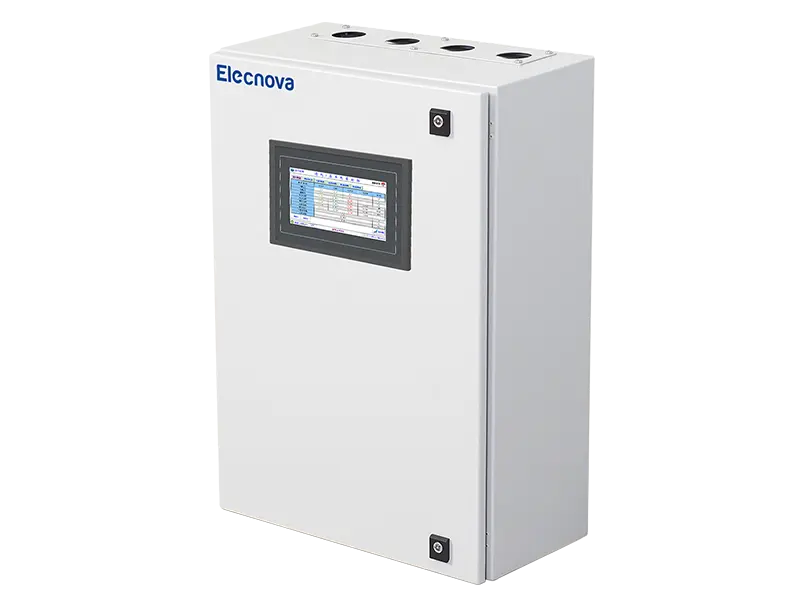
An intelligent electronic control cabinet can also connect with broader monitoring platforms, allowing electrical systems to exchange information and support more coordinated operation. This is especially valuable in applications where multiple systems need to work together.
Elecnova Power focuses on electrical measurement, monitoring, and energy management technologies that help organizations improve system visibility and reliability. For projects requiring specific cabinet configurations or technical recommendations, customers can communicate with the Elecnova team through the technical consultation channel.
Conclusion
Modern electronic systems face increasing challenges from dust, moisture, heat, and operational complexity. Protecting these systems requires more than a physical enclosure. An electronic equipment cabinet creates a controlled environment that supports better protection, thermal management, maintenance efficiency, and long-term reliability.
As industries continue adopting automation and intelligent energy systems, the role of the electronic control cabinet will continue to expand. By combining protection with monitoring and organized system management, advanced cabinet solutions help businesses maintain stable electronic operations in challenging environments.
FAQ
1. What is an electronic equipment cabinet used for?
An electronic equipment cabinet protects sensitive electronic components from dust, moisture, heat, and physical damage while providing organized installation space.
2. What is the difference between an electronic control cabinet and a standard enclosure?
An electronic control cabinet is designed to house and manage control components, communication devices, and electrical modules, while a basic enclosure may only provide physical protection.
3. Why is airflow important inside an electronic cabinet?
Proper airflow helps control internal temperature and prevents heat buildup that may reduce electronic component performance and lifespan.
4. Which industries use electronic equipment cabinets?
They are widely used in industrial automation, energy systems, commercial buildings, transportation, and communication applications.
5. How does an electronic control cabinet improve maintenance efficiency?
It organizes components and wiring in a structured layout, making inspection, troubleshooting, and maintenance easier.
6. What factors should be considered when selecting an electronic equipment cabinet?
Important factors include environmental conditions, protection requirements, cooling needs, internal layout, component compatibility, and future expansion requirements.






 CN
CN EN
EN
 fr
fr  de
de  es
es  it
it  ru
ru  ar
ar  vi
vi  tr
tr  th
th