A charging station can deliver electricity to an electric vehicle, but operating a reliable EV charging network requires much more than power delivery. For charging operators, facility managers, and energy service providers, several practical questions need to be answered: How much energy does each charger consume? When does charging demand reach its highest point? Is the existing electrical capacity being used efficiently?
Without accurate energy measurement, these questions are difficult to answer. As EV charging systems become larger and more connected, energy visibility has become an important factor in maintaining stable operation, controlling electricity costs, and planning future expansion. A reliable power meter for EV charging provides the measurement data needed to understand charging behavior, while an EV charging meter helps convert electricity usage into useful information for daily management and system optimization.
For modern EV infrastructure, metering is no longer only about recording energy consumption. It has become a key part of building a transparent and manageable charging ecosystem.
Why Energy Visibility Has Become a Critical Challenge for EV Charging Networks
Traditional electrical systems usually operate with relatively predictable consumption patterns. EV charging introduces a different situation because power demand can change significantly depending on the number of vehicles connected, charging schedules, battery conditions, and user behavior.
For example, a commercial building may have dozens of charging points installed in its parking area. During working hours, many employees may charge their vehicles at the same time, creating a sudden increase in electricity demand. If operators only monitor the building’s total energy consumption, they may not know how much power is being used specifically for EV charging or how individual chargers are affecting the electrical system.
This lack of visibility can create several challenges. Operators may struggle to identify inefficient charging patterns, manage peak demand, or evaluate whether additional chargers can be installed without upgrading the entire power system.
An intelligent EV charging meter addresses these challenges by providing detailed information about charging energy usage and electrical performance. With accurate measurement data, operators can better understand charging activities and make decisions based on actual operating conditions.
The Role of EV Charging Meters in Turning Power Data into Actionable Insights
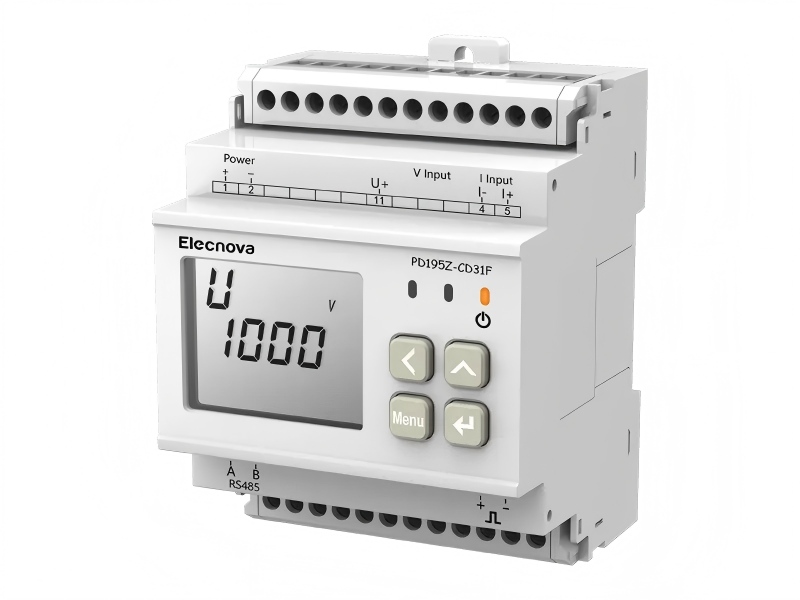
An EV charging meter works as a measurement link between charging equipment and energy management systems. Instead of only showing accumulated electricity consumption, modern meters can provide detailed information about electrical parameters such as voltage, current, power, and energy usage.
This information allows operators to evaluate how charging infrastructure performs over time. For example, a fleet management company can compare energy consumption across different charging locations, identify unusual charging behavior, and improve charging schedules according to vehicle usage requirements.
A power meter for EV charging is especially valuable in applications where multiple charging points operate simultaneously. By monitoring real-time electrical conditions, the system can provide better visibility into load distribution and help prevent inefficient energy usage.
Elecnova Power develops energy measurement solutions that support EV charging applications by providing accurate monitoring and reliable data communication. These technologies help businesses better understand their electrical systems and make more informed decisions about energy management.
| Comparison Factor | Traditional Energy Monitoring | EV Charging Metering Solution |
|---|
| Energy Information | Provides general electricity consumption data | Measures charging-specific energy usage and electrical parameters |
| Operational Visibility | Limited understanding of charging behavior | Provides detailed insight into charging performance |
| Load Management | Requires manual evaluation after problems occur | Supports proactive monitoring and energy optimization |
| System Integration | Usually operates independently | Can connect with energy management platforms and smart building systems |
From Basic Energy Tracking to Real-Time Monitoring and Intelligent Control
The role of EV metering has changed significantly as charging networks become more advanced. In the past, energy measurement mainly focused on calculating electricity consumption after charging sessions were completed. Today, operators need real-time information to manage dynamic charging environments.
A modern power meter for EV charging allows charging operators to monitor energy usage as it happens. This helps identify changes in demand, detect abnormal conditions, and understand how charging activities influence the wider electrical system.
Consider a workplace charging facility where many vehicles begin charging after employees arrive. Without real-time monitoring, the facility may experience unexpected demand peaks. With accurate metering data, operators can analyze charging patterns and coordinate charging activities more effectively.
This shift from simple tracking to intelligent monitoring also improves maintenance. When energy data shows unusual consumption trends, operators can investigate potential equipment issues before they affect charging availability.
Improving Charging Efficiency Through Accurate Energy Measurement and Data Management
Charging efficiency is not determined only by charger output. The way energy consumption is measured, analyzed, and managed also influences the overall performance of EV infrastructure.
An accurate EV charging meter provides reliable data that helps operators understand real charging efficiency. By reviewing energy consumption patterns, businesses can identify unnecessary energy losses, optimize charging strategies, and improve cost management.
For commercial and industrial applications, precise measurement is also important for energy accounting. When each charging point can be monitored individually, facility managers can better allocate electricity costs and evaluate the performance of different charging areas.
When selecting a power meter for EV charging, users should consider factors such as measurement accuracy, communication capability, installation environment, and compatibility with existing energy management systems. The right metering solution should not only measure power but also provide data that can support operational decisions.
Connecting EV Charging Systems with Smart Buildings and Energy Management Platforms
EV charging is increasingly becoming part of a larger energy management network. In smart buildings, charging stations may operate alongside HVAC systems, lighting, renewable energy generation, and battery storage systems.
An EV charging meter provides the charging data required for these systems to work together. When charging information is integrated into an energy management platform, facility operators can gain a clearer picture of overall electricity usage and coordinate different energy loads more effectively.
For example, an office building with multiple EV chargers can analyze charging demand together with other building loads. This makes it easier to understand when additional charging capacity is available and how charging schedules can be adjusted to reduce pressure on the electrical system.
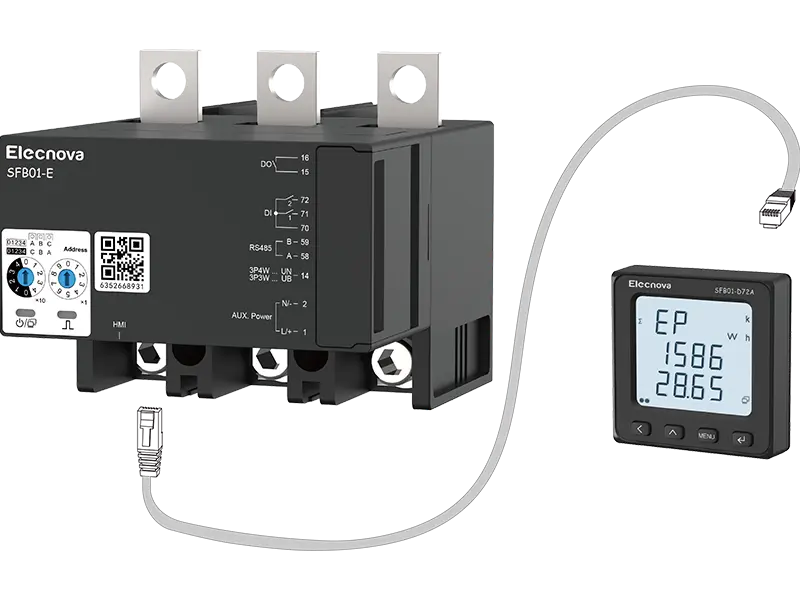
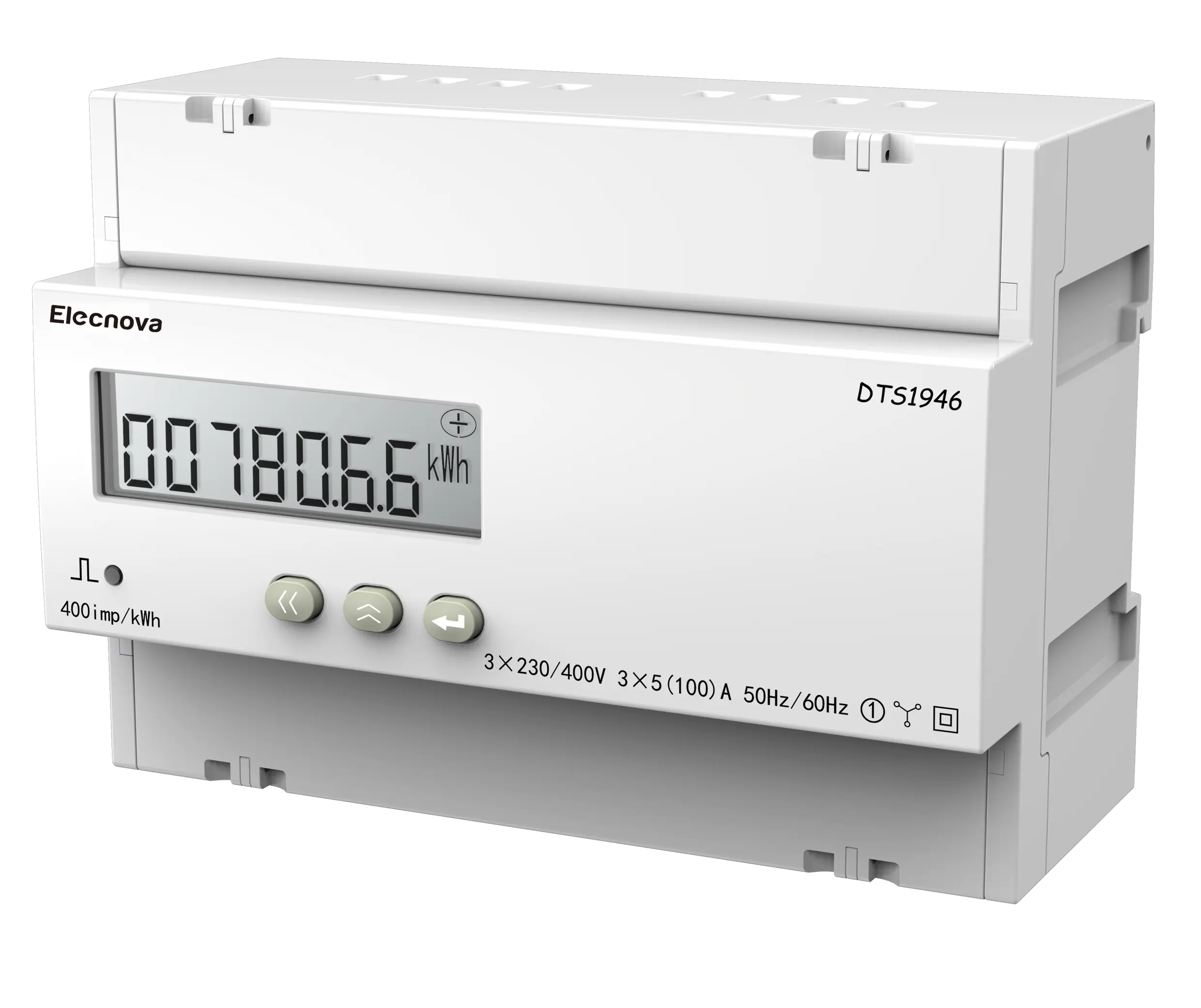
Elecnova Power provides power monitoring and energy measurement products designed for industrial, commercial, and EV-related applications. Organizations can review different measurement options through Elecnova Power’s energy measurement products when evaluating solutions for their charging infrastructure.
Building Future-Ready EV Infrastructure with Smarter Metering Solutions
As EV adoption continues, charging infrastructure will need to handle increasing numbers of vehicles and more complex energy demands. Reliable operation will depend not only on charging equipment but also on the ability to measure, analyze, and manage electricity usage.
A smart power meter for EV charging provides the data foundation required for better charging management. By understanding energy consumption in real time, operators can improve system reliability, optimize available electrical capacity, and make better decisions when expanding charging networks.
The value of an EV charging meter extends beyond measurement. It supports better communication between charging systems and energy platforms, helping transform EV infrastructure from a simple power supply system into a coordinated energy management solution.
For organizations planning EV charging projects or looking for a suitable metering solution based on specific electrical requirements, Elecnova Power’s technical team can provide further assistance through the technical consultation channel.
Conclusion
Energy visibility has become a practical requirement for modern EV charging infrastructure. As charging networks grow, operators need accurate information to understand energy consumption, manage electrical loads, and maintain reliable performance.
By implementing an advanced EV charging meter and a dependable power meter for EV charging, businesses can gain clearer insight into charging operations and use real data to improve efficiency. From commercial parking facilities to large-scale fleet charging systems, smarter metering provides the information needed to build more reliable and manageable EV infrastructure.
FAQ
1. What information can an EV charging meter measure?
An ev charging meter can measure electrical parameters such as voltage, current, power, and energy consumption during EV charging operations.
2. Why is a power meter for EV charging needed in charging networks?
A power meter for ev charging provides accurate energy data, helping operators monitor charging performance, manage loads, and improve energy efficiency.
3. Can EV charging meters help reduce operating costs?
Yes. By providing detailed energy consumption data, EV charging meters help operators identify inefficient usage patterns and improve energy management.
4. Can an EV charging meter be integrated with building energy systems?
Yes. Many EV charging meters support communication functions that allow integration with energy management platforms and smart building systems.
5. What factors should be considered when choosing an EV charging meter?
Important factors include measurement accuracy, communication protocols, installation requirements, and compatibility with existing charging and energy systems.
6. How does real-time monitoring improve EV charging management?
Real-time monitoring helps operators understand changing energy demand, identify abnormal conditions, and optimize charging operations more effectively.



 CN
CN EN
EN
 fr
fr  de
de  es
es  it
it  ru
ru  ar
ar  vi
vi  tr
tr  th
th 

![Elecnova Electric was Selected as One of the Top Ten in the 10th Engineering Survey and Design Industry · Building Electrical Brand Competitiveness [Power Quality System]](/uploads/image/20240326/15/sifel-electric-was-selected-as-one.webp "Elecnova Electric was Selected as One of the Top Ten in the 10th Engineering Survey and Design Industry · Building Electrical Brand Competitiveness [Power Quality System]")