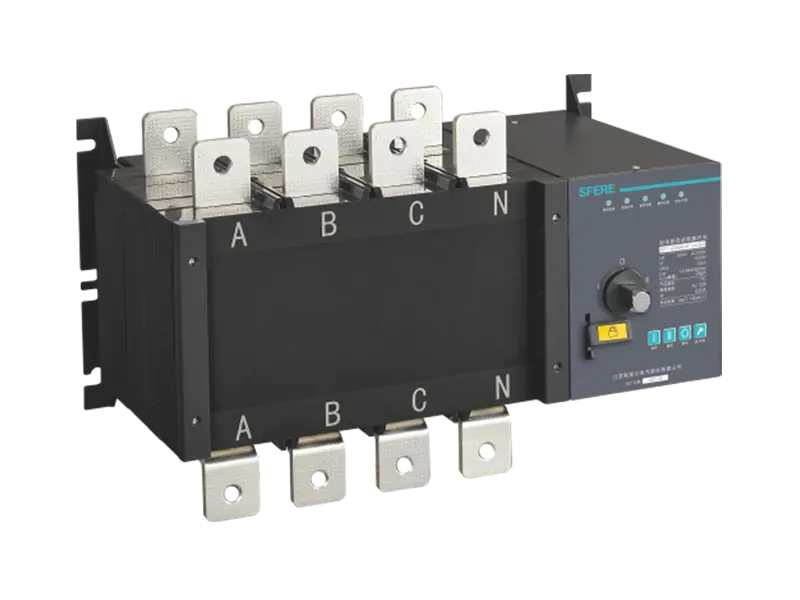
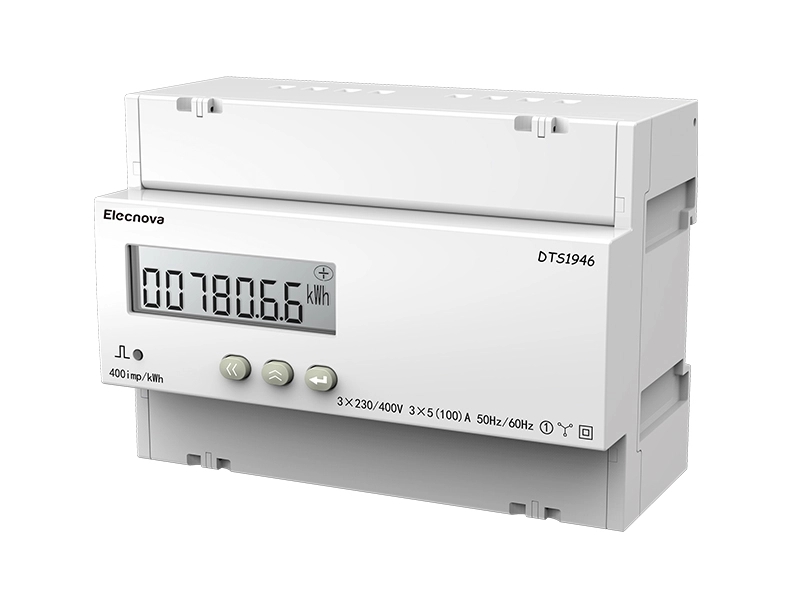
An electrical enclosure may appear to be a simple protective housing, but in modern power systems, its role has expanded far beyond physical protection. Electrical equipment today operates in increasingly complex environments where voltage fluctuations, overload conditions, short circuits, and unexpected power events can affect system reliability. Keeping these risks under control requires more than a metal cabinet — it requires a properly designed protection system.
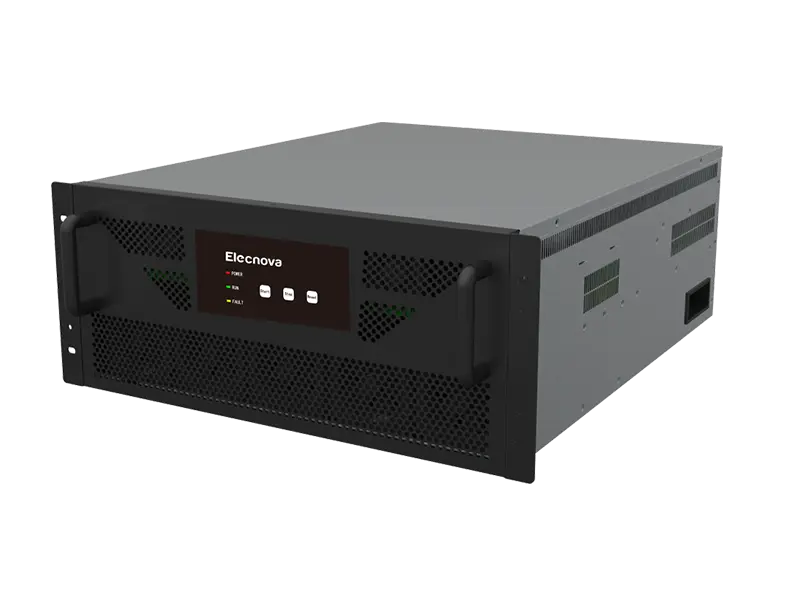
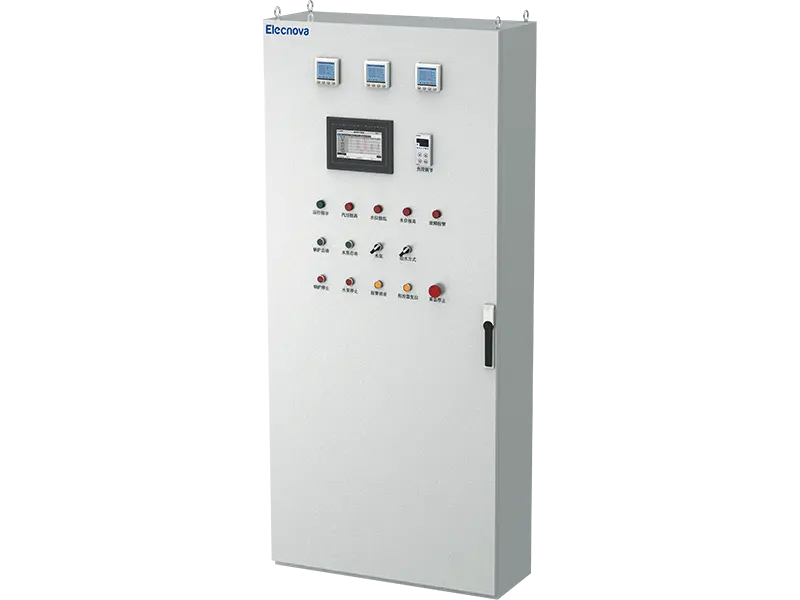
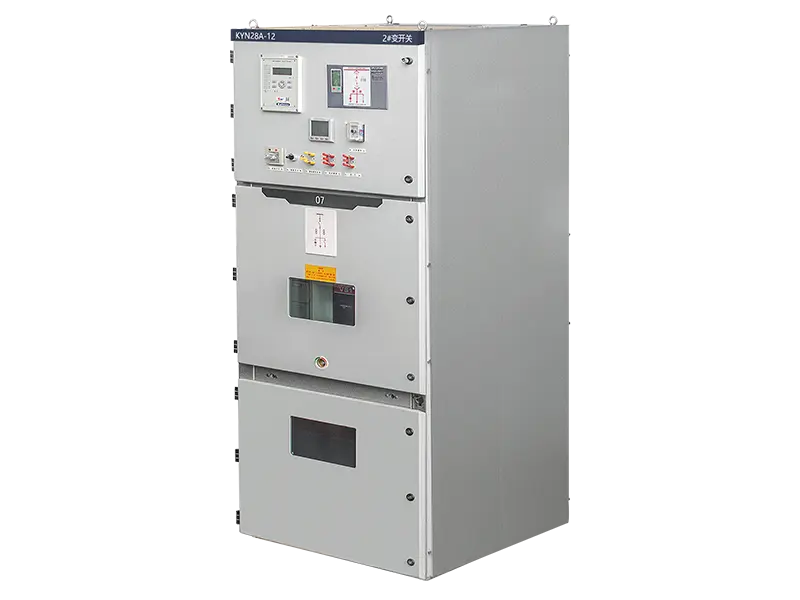
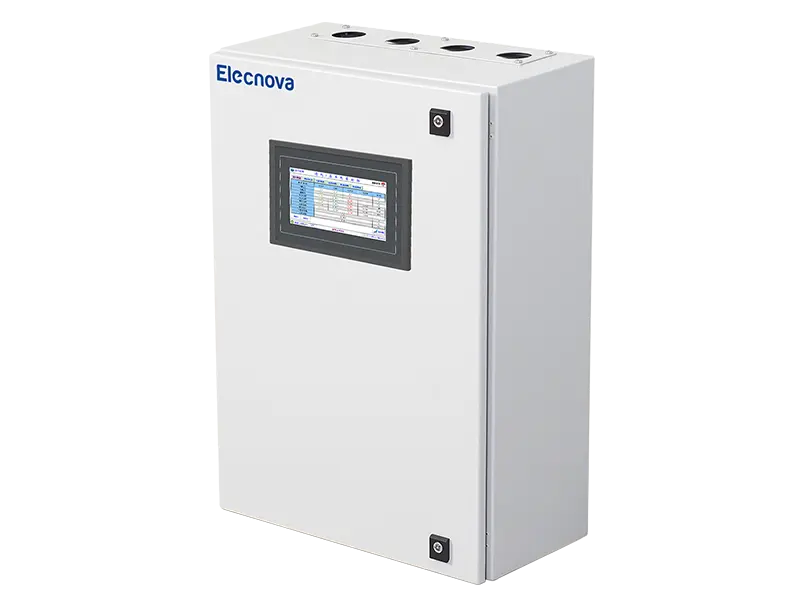
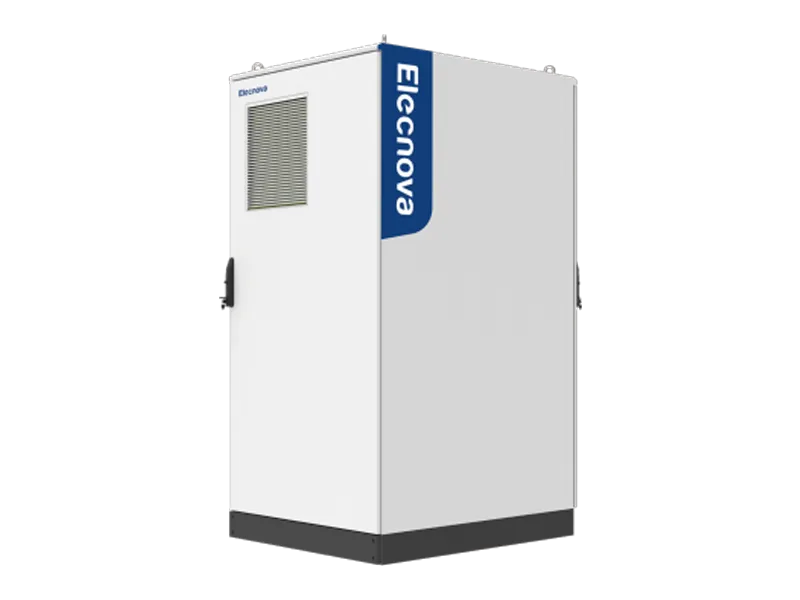
A power protection cabinet integrates electrical protection components, control devices, monitoring functions, and distribution elements to help maintain stable operation. By organizing and protecting critical electrical equipment, it reduces the impact of abnormal conditions and supports safer, more reliable power management.
At the same time, the demand for smarter electrical infrastructure has changed the expectations for a cabinet electric system. Modern users are looking for solutions that not only protect components but also provide better visibility, easier maintenance, and improved operational control. Elecnova Power develops power management solutions that support these evolving requirements across industrial, commercial, and energy applications.
The Changing Role of Electrical Cabinets in Modern Power Systems
Traditional electrical cabinets were mainly designed to contain and organize electrical components. Their primary purpose was to provide physical protection, improve wiring organization, and ensure safer access to electrical equipment. However, modern power systems require a higher level of performance.
With the increasing complexity of industrial automation, renewable energy systems, data centers, and commercial power networks, electrical cabinets must handle more demanding operating conditions. A modern power protection cabinet is expected to support reliable power distribution while helping operators monitor system status and respond quickly when problems occur.
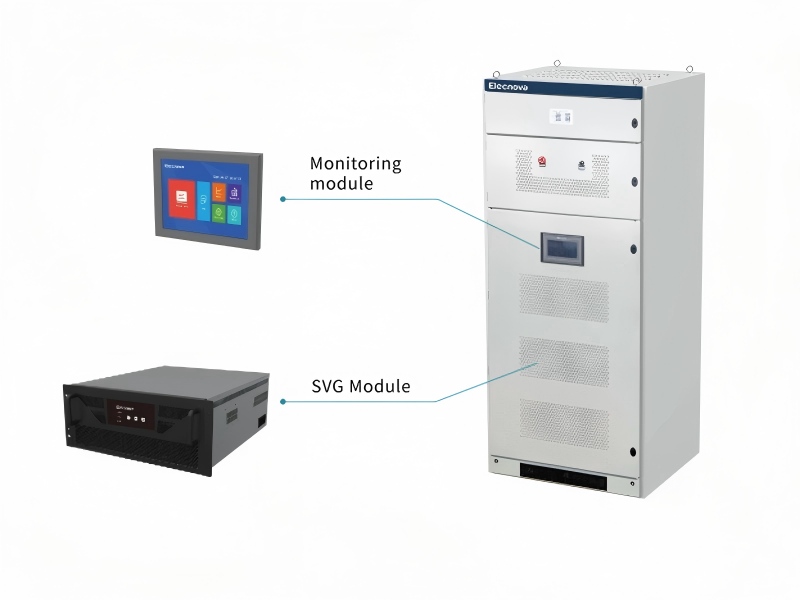
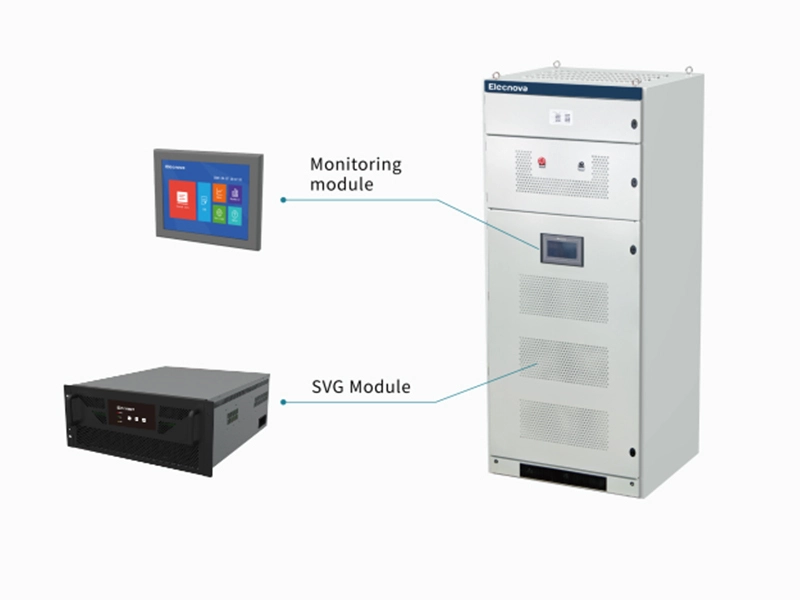
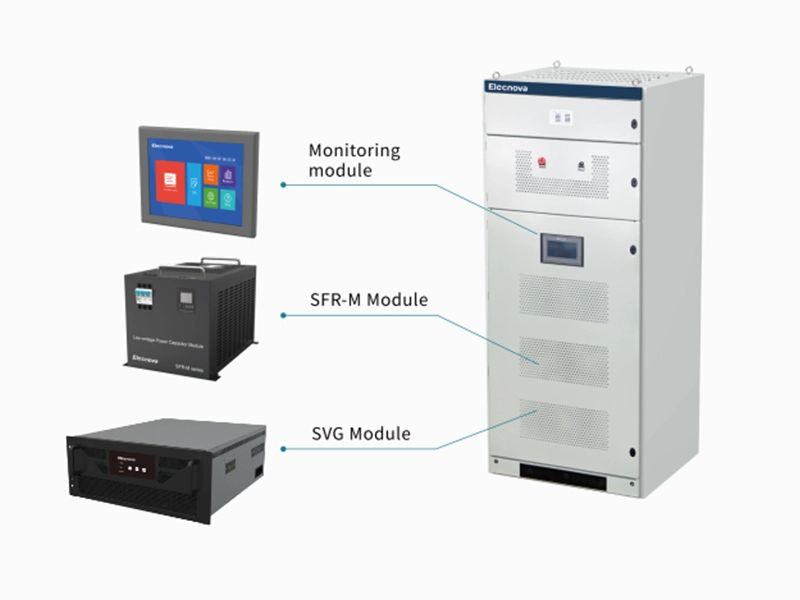
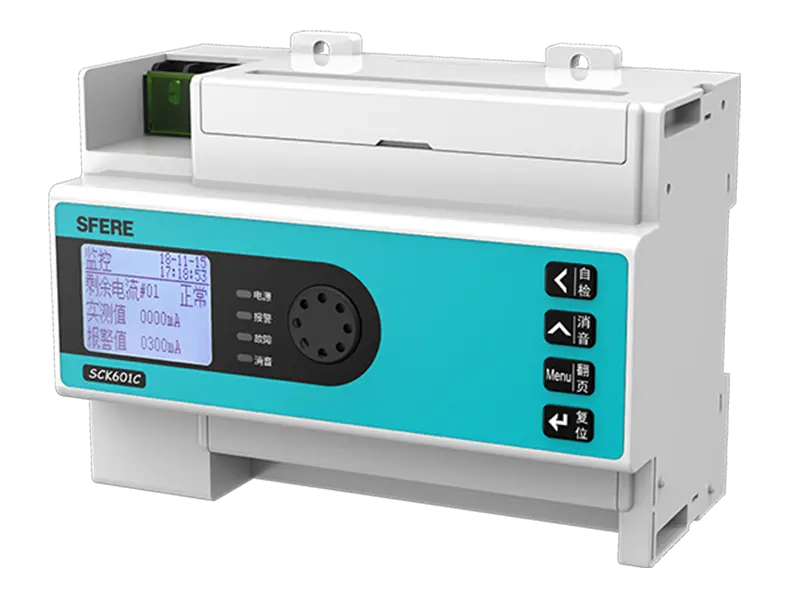
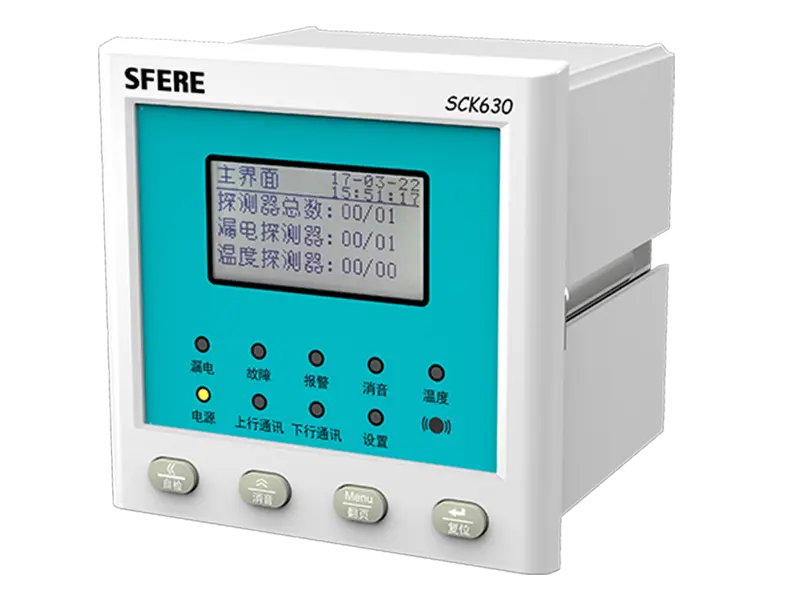
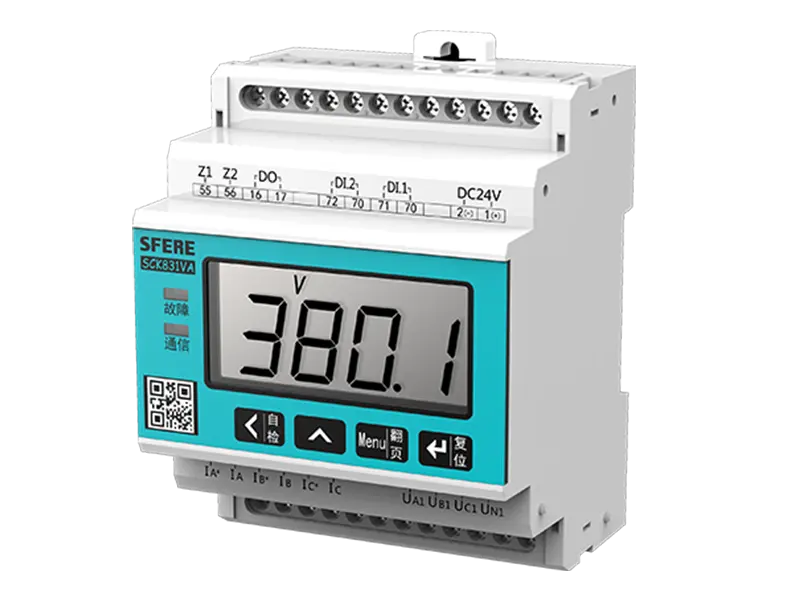
The evolution of the cabinet electric system reflects a broader shift from passive protection toward active power management. Instead of simply housing circuit breakers and electrical devices, advanced cabinets may include monitoring instruments, communication interfaces, protection relays, and intelligent control components.
This change allows operators to understand what is happening inside the electrical system instead of waiting until a failure occurs. Better visibility helps improve maintenance planning, reduce downtime, and extend the service life of electrical equipment.
The Protection Functions That Keep Electrical Equipment Safe from Unexpected Failures
Electrical failures can occur for many reasons, including excessive current, insulation problems, equipment aging, or unstable power conditions. Without proper protection, these events may damage expensive components and interrupt critical operations.
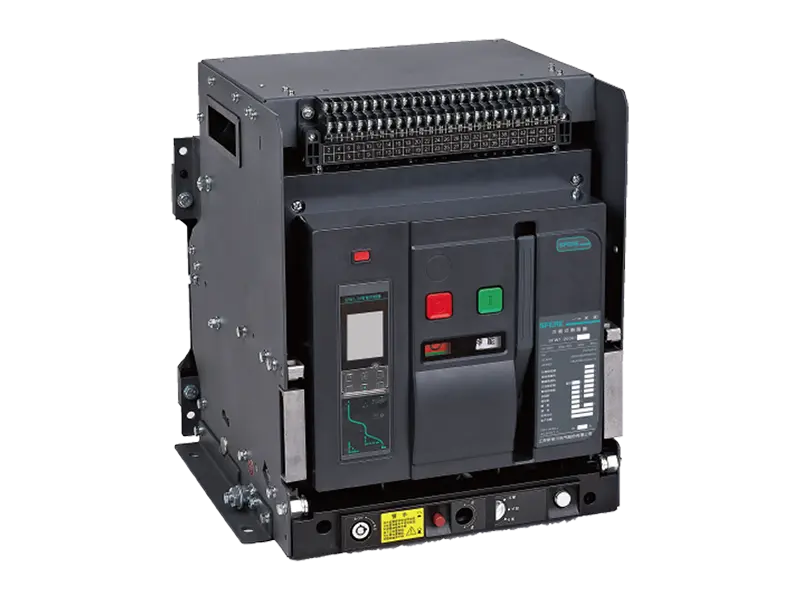
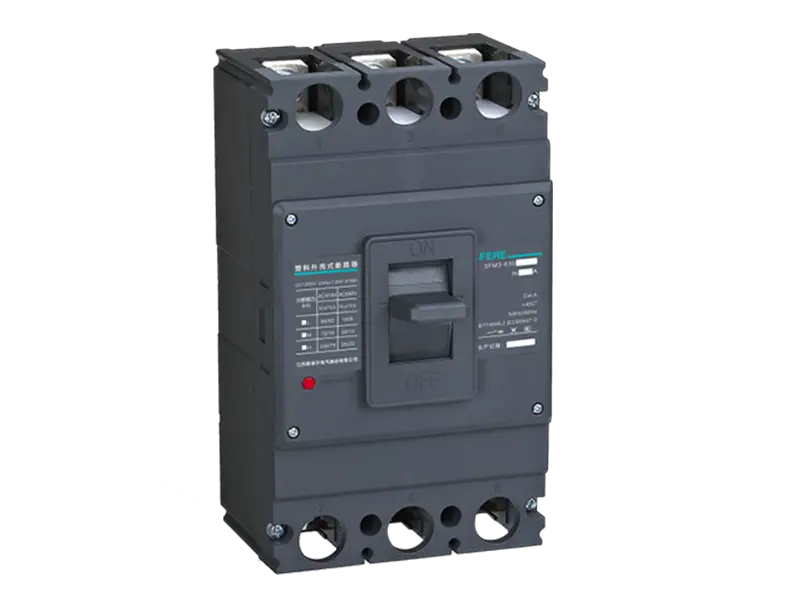
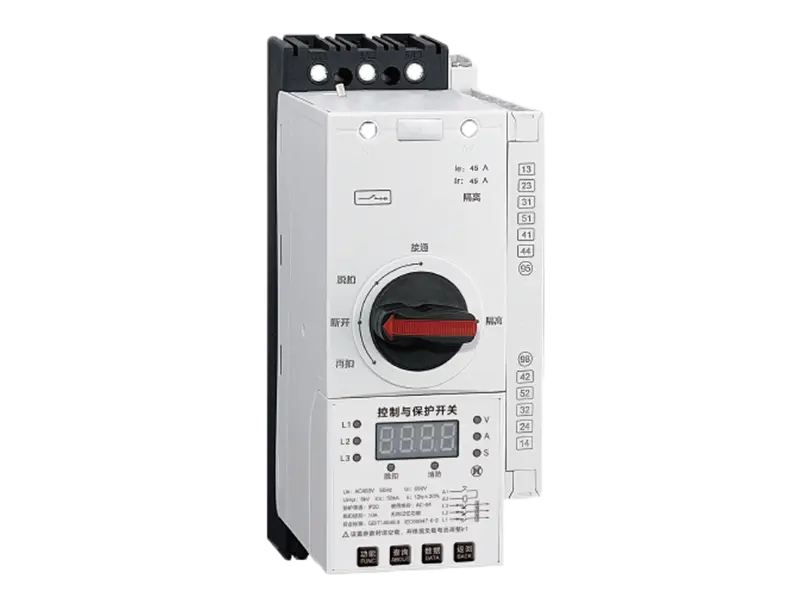
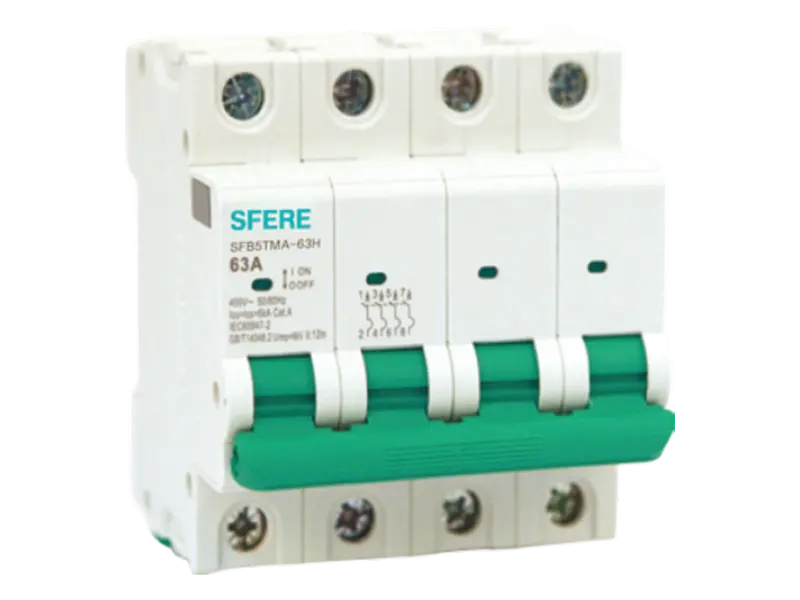
A well-designed power protection cabinet helps reduce these risks by integrating protective devices that detect abnormal electrical conditions and respond appropriately. Depending on the application, protection functions may include overcurrent protection, short-circuit protection, overload protection, and voltage monitoring.
For example, when an electrical circuit experiences an abnormal current increase, protective devices inside the cabinet can disconnect the affected section before the problem spreads to other parts of the system. This helps protect transformers, motors, control equipment, and other sensitive components.
The design of a reliable cabinet electric solution also considers heat management, component arrangement, and safe operation. Proper internal organization reduces wiring complexity and makes inspection and maintenance easier for technicians.
| Comparison Factor | Traditional Electrical Cabinet | Power Protection Cabinet |
|---|
| Main Function | Provides physical housing and component organization | Combines protection, monitoring, and power management functions |
| Fault Response | Limited protection capability depending on components | Designed to detect and isolate abnormal electrical conditions |
| System Visibility | Requires manual inspection for most information | Supports real-time monitoring and status analysis |
| Maintenance Approach | Often based on scheduled checks | Supports condition-based maintenance using operational data |
What Happens Inside a Power Protection Cabinet During Electrical Faults
When an electrical fault occurs, the response speed and accuracy of the protection system directly influence the level of damage. A power protection cabinet acts as a coordinated environment where detection, protection, and isolation processes take place.
During abnormal conditions, monitoring devices first identify changes in electrical parameters such as current or voltage. Protection components then evaluate whether the condition exceeds safe operating limits. If necessary, protective devices disconnect the affected circuit to prevent further damage.
This process happens quickly because electrical faults can escalate rapidly. A properly configured cabinet helps ensure that only the affected section is isolated while the rest of the system continues operating normally.
Beyond fault protection, the cabinet also provides a controlled environment for sensitive electrical components. It helps protect devices from dust, accidental contact, mechanical impact, and environmental factors that could reduce equipment reliability.
Design Considerations That Influence Power Protection Cabinet Reliability
The reliability of a power protection cabinet depends on more than the individual components installed inside. The overall design determines how effectively the cabinet performs under real operating conditions.
One important factor is component selection. Protective devices, monitoring instruments, and control elements must be properly matched to the electrical characteristics of the application. Incorrect selection can reduce protection effectiveness or create unnecessary operational limitations.
Internal layout is another important consideration. A well-designed cabinet electric system should provide sufficient space for wiring, heat dissipation, inspection, and future upgrades. Poor internal arrangement can make maintenance more difficult and increase the risk of operational issues.
Environmental conditions also influence cabinet performance. Industrial facilities, outdoor installations, and energy infrastructure may expose electrical equipment to temperature changes, moisture, dust, or vibration. The cabinet structure and protection level must be suitable for the installation environment.
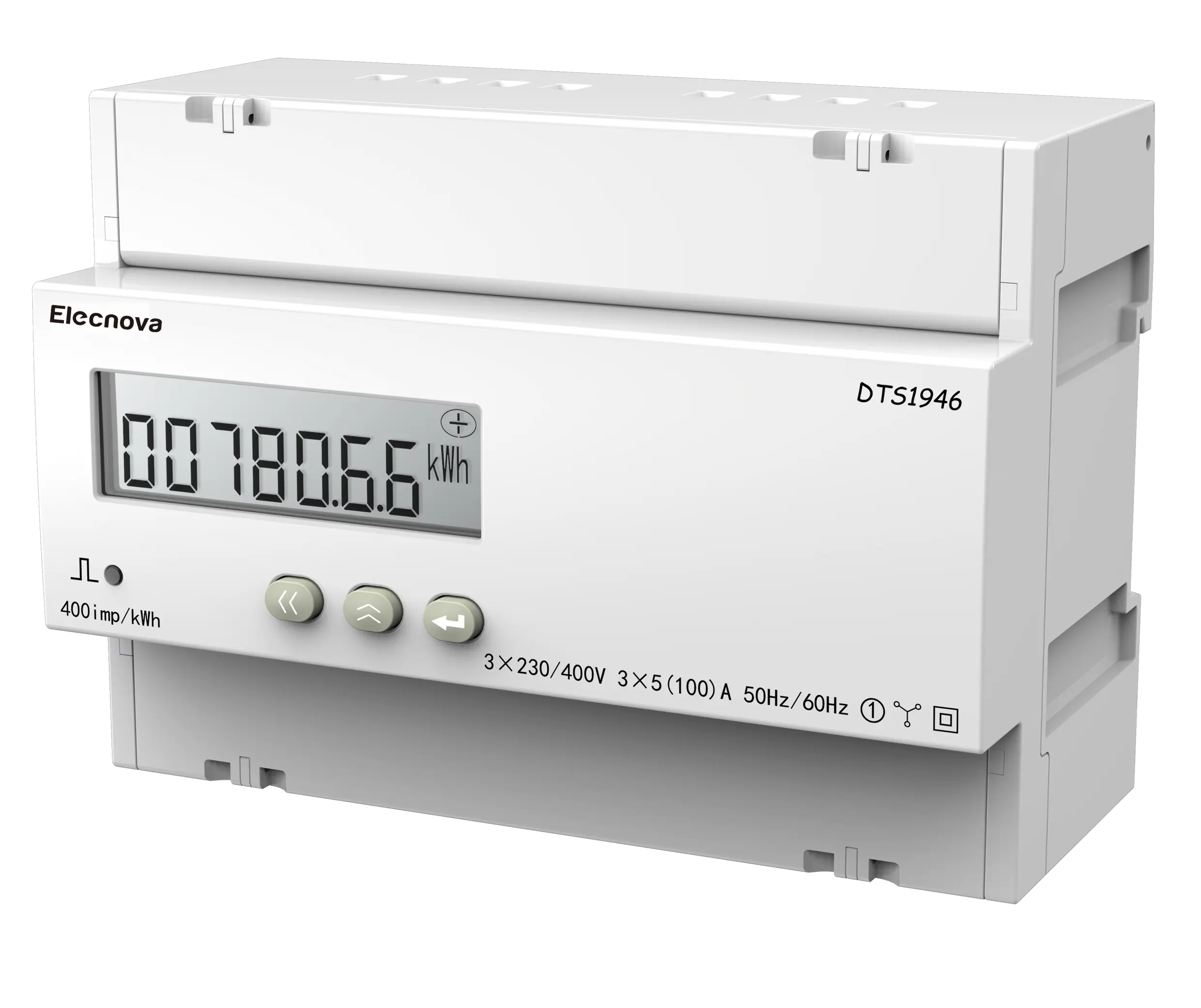
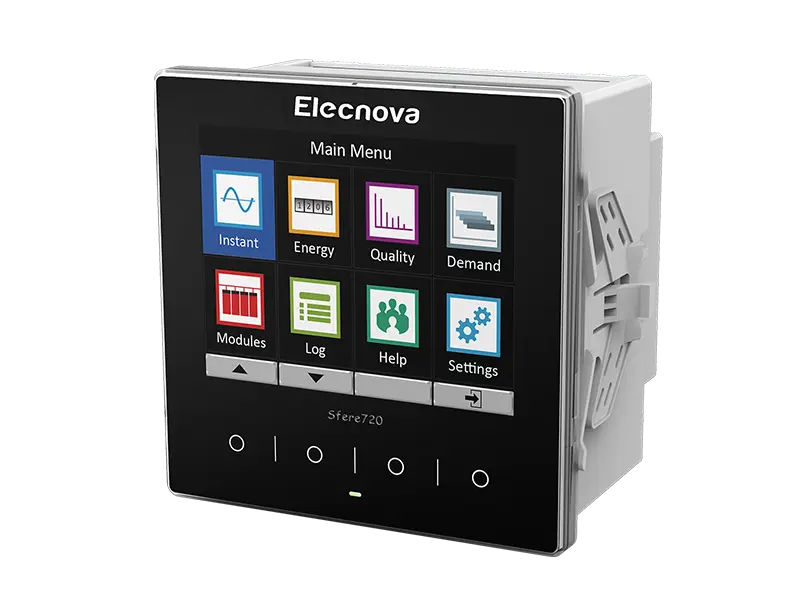
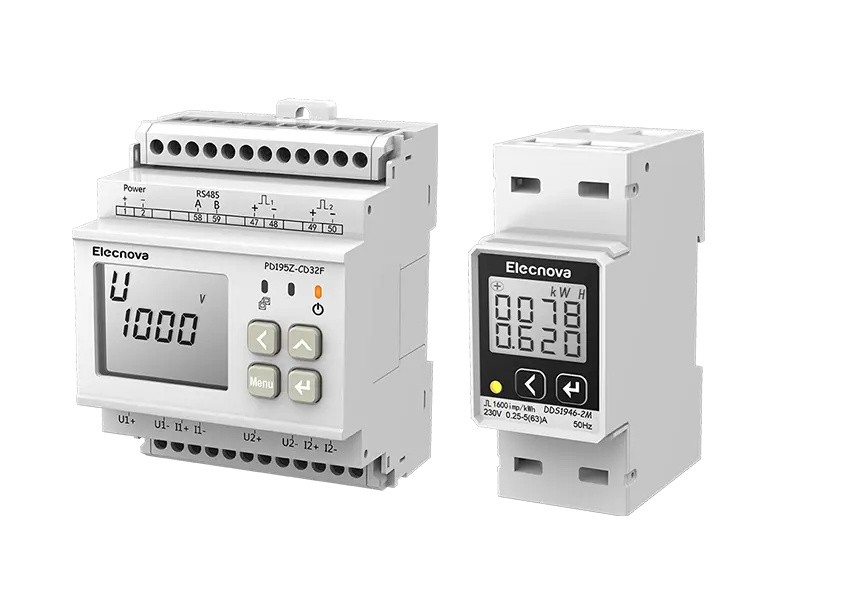
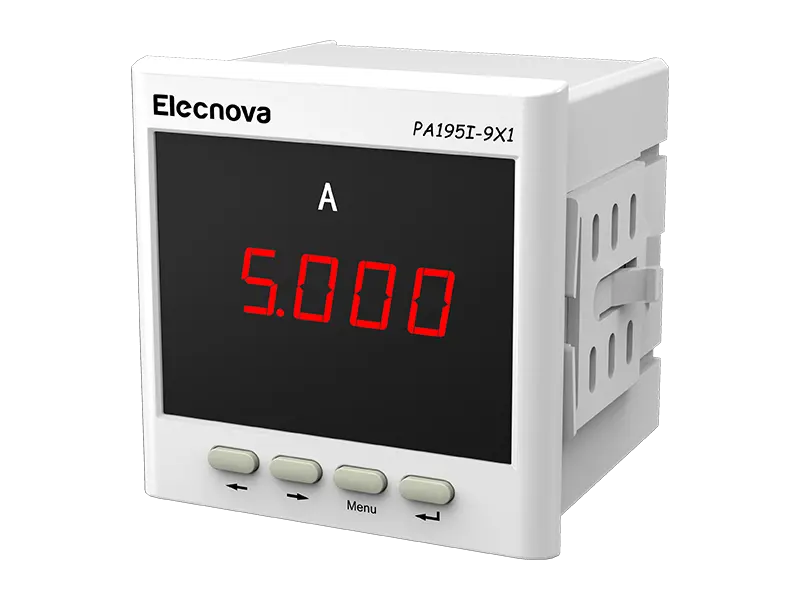
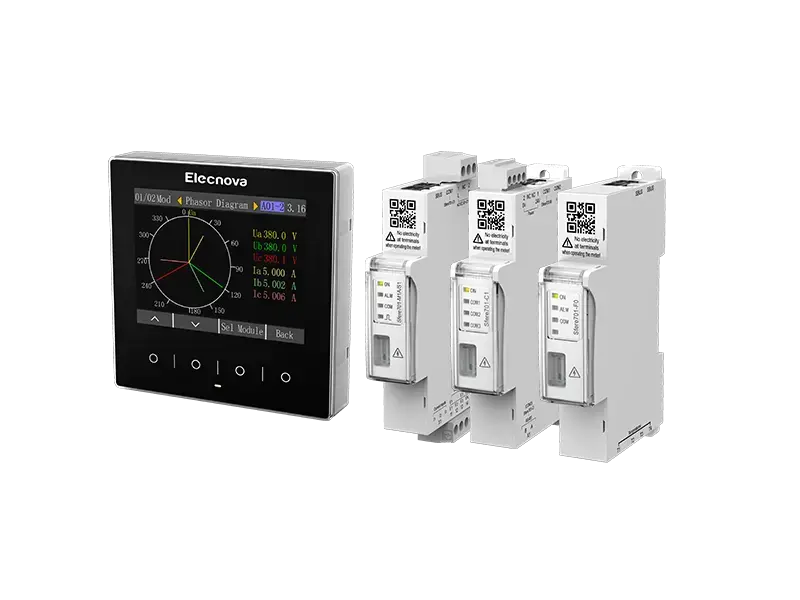
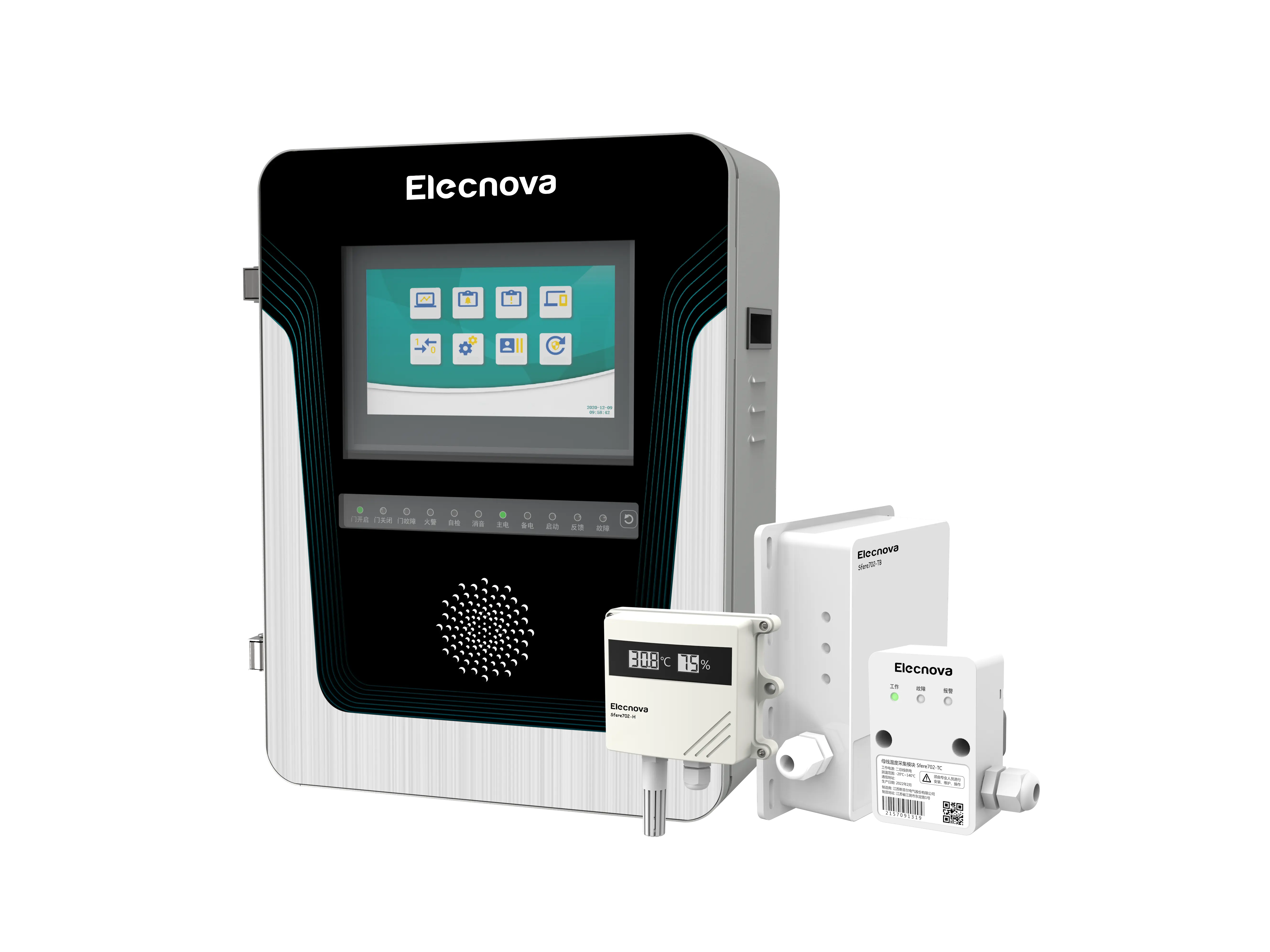
Elecnova Power focuses on electrical monitoring and power management technologies that support reliable operation in different application scenarios. Users can review related electrical solutions through Elecnova Power’s power management products when selecting equipment for their system requirements.
Applications Where Power Protection Cabinets Play a Critical Role
Power protection cabinets are used in many industries where electrical reliability is essential. Their ability to protect equipment and improve system stability makes them an important part of modern power infrastructure.
In industrial manufacturing facilities, a power protection cabinet helps safeguard automation systems, production equipment, and control networks. Unexpected electrical interruptions can result in production delays, equipment damage, and increased operating costs, making reliable protection especially important.
In renewable energy projects, electrical cabinets help manage power conversion and distribution processes. Solar power systems, energy storage facilities, and other distributed energy applications require stable electrical control to operate efficiently.
Commercial buildings, data centers, and infrastructure facilities also depend on reliable cabinet electric systems. These environments often require continuous operation, making protection and monitoring capabilities essential for reducing downtime.
Moving Toward Smarter Electrical Cabinets with Monitoring and Control Capabilities
The future development of electrical cabinets is closely connected with digital monitoring and intelligent control. As power systems become more connected, operators need more information from the equipment that manages electrical distribution.
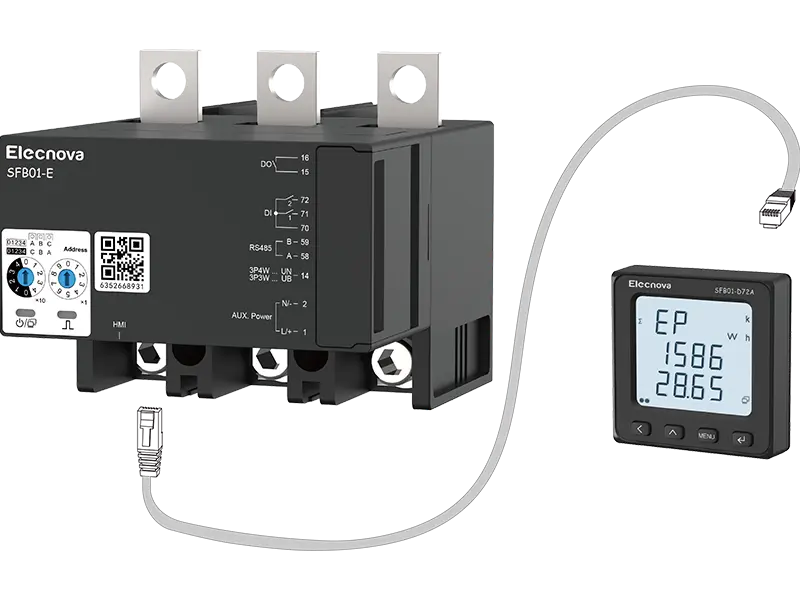
A modern power protection cabinet can integrate monitoring functions that provide information about electrical conditions, equipment status, and system performance. This allows maintenance teams to identify potential issues earlier and make decisions based on actual operating data.
For example, continuous monitoring can help identify unusual temperature changes, abnormal energy consumption, or repeated fault conditions. Instead of relying only on periodic inspections, operators can take a more proactive approach to system maintenance.
The development of smarter cabinet electric solutions also supports integration with broader energy management platforms. This enables better coordination between electrical distribution, monitoring systems, and facility management strategies.
Elecnova Power provides intelligent power monitoring and electrical management solutions designed to improve system visibility and operational efficiency. For projects requiring specific protection and monitoring configurations, customers can discuss application requirements with the Elecnova technical team through the technical consultation channel.
Conclusion
Electrical cabinets have evolved from simple protective enclosures into important components of modern power management systems. A reliable power protection cabinet not only protects electrical equipment from faults but also improves system stability, maintenance efficiency, and operational visibility.
As power networks become more complex, the role of intelligent cabinet electric solutions will continue to grow. By combining protection functions with monitoring and control capabilities, modern electrical cabinets help organizations build safer and more reliable power systems.
FAQ
1. What is a power protection cabinet used for?
A power protection cabinet protects electrical equipment by integrating protective devices, monitoring components, and power management functions to reduce the impact of electrical faults.
2. How is a power protection cabinet different from a standard electrical cabinet?
A standard cabinet mainly provides housing and organization, while a power protection cabinet adds protection, monitoring, and fault management capabilities.
3. What types of electrical problems can a protection cabinet help prevent?
It can help manage risks caused by overloads, short circuits, abnormal currents, and unstable voltage conditions.
4. Why is monitoring important in modern cabinet electric systems?
Monitoring provides real-time information about system conditions, helping operators detect problems earlier and improve maintenance decisions.
5. Where are power protection cabinets commonly used?
They are widely used in industrial facilities, renewable energy systems, commercial buildings, data centers, and other applications requiring reliable power protection.
6. What should be considered when selecting a power protection cabinet?
Important factors include electrical requirements, protection functions, environmental conditions, component compatibility, and future system expansion needs.






 CN
CN EN
EN
 fr
fr  de
de  es
es  it
it  ru
ru  ar
ar  vi
vi  tr
tr  th
th