As modern power systems grow more complex with the rise of renewable energy, electric vehicles, and smart buildings, the demand for efficient multi-circuit monitoring has never been higher. A multi-circuit energy meter provides simultaneous, real-time tracking of multiple electrical circuits in a single compact device. Whether in DC or AC environments, these advanced multi-circuit power meters deliver precise data on voltage, current, power, energy consumption, and power quality.
Elecnova’s multi-circuit energy meter solutions help facilities managers, engineers, and energy professionals gain deep visibility into their electrical systems. This comprehensive guide compares DC and AC applications, explores hybrid scenarios, and shows how multi-circuit monitoring enhances energy efficiency across industries.
DC Applications at the Forefront: Multi-Circuit Monitoring for EV Charging, PV Strings, and Battery Storage
DC power systems are expanding rapidly, driven by electric vehicle charging stations, solar photovoltaic installations, and battery energy storage. In these environments, a multi-circuit energy meter designed for DC operation offers significant advantages.
For EV charging stations, multi-circuit power meters can monitor multiple charging points simultaneously, tracking energy delivered to each vehicle while ensuring balanced load distribution. This prevents overloads and supports smart charging strategies. In solar PV systems, these meters excel at string-level monitoring, measuring voltage, current, and bi-directional energy flow for each array. This capability helps operators quickly identify underperforming strings and optimize overall system output.
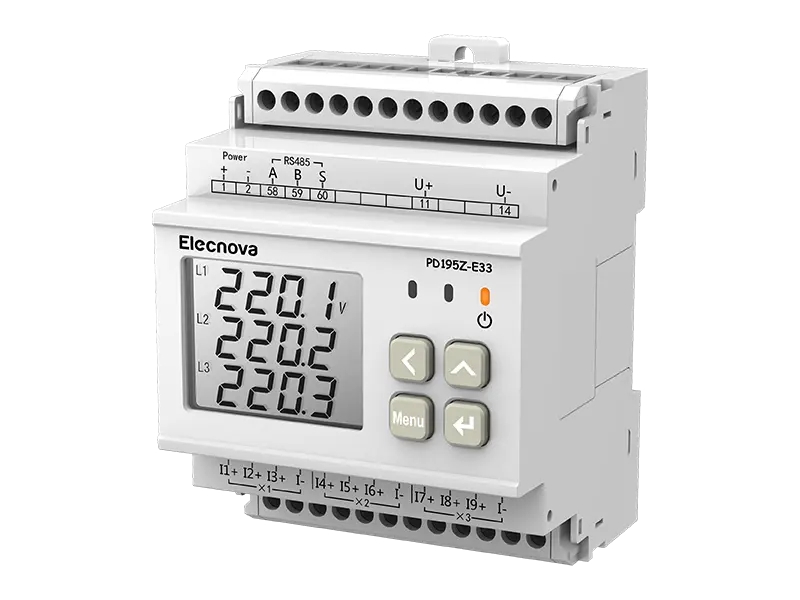
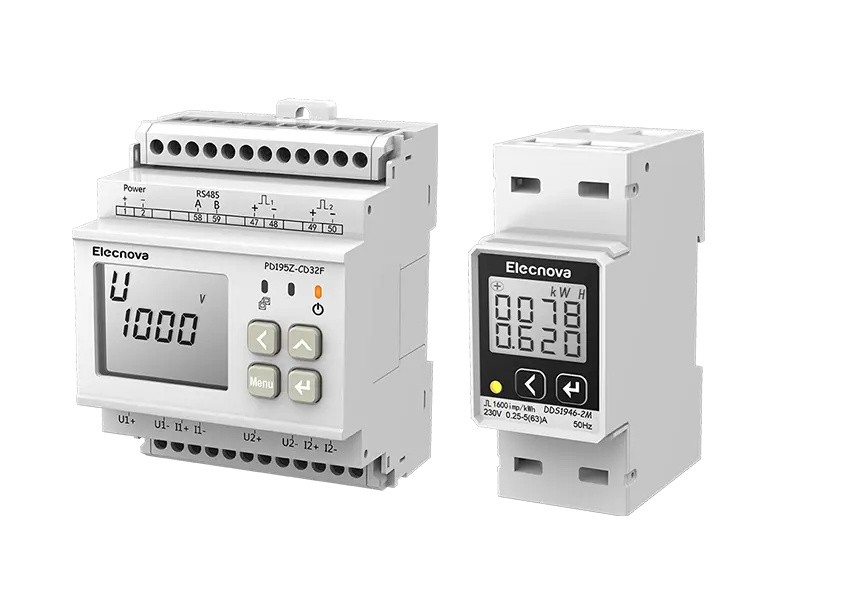
Battery storage systems also benefit greatly from multi-circuit monitoring. The PD195Z-E33 series, for example, accurately measures voltage, current, power, and two-way electric energy in DC systems. With its RS485 communication interface, it integrates seamlessly with energy management platforms for real-time control and data analysis.
These DC-focused multi-circuit energy meters are becoming essential as the world shifts toward decentralized, renewable-heavy power networks.
Classic AC Applications: Multi-Circuit Energy Meters for Building Distribution, Industrial Lines, and Data Centers
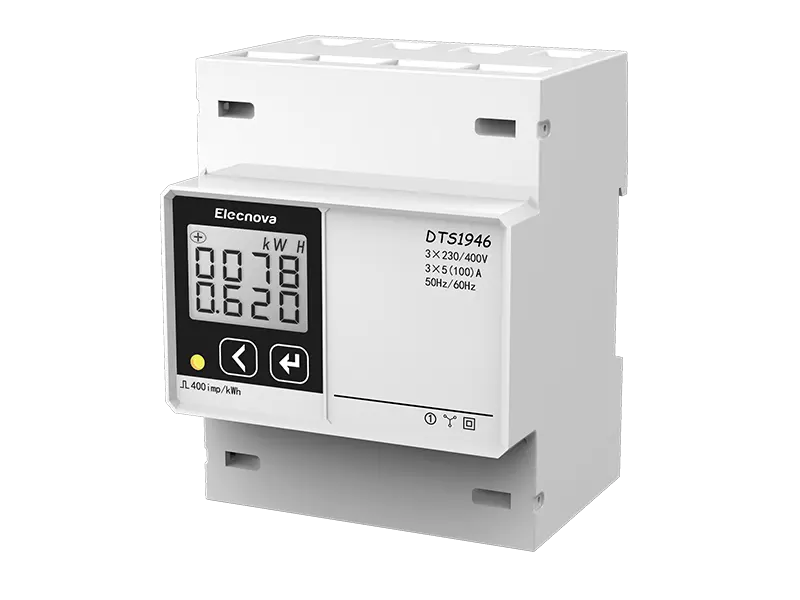
AC power remains the backbone of most commercial and industrial facilities. Here, multi-circuit energy meters provide comprehensive oversight across multiple loads from a single DIN rail device.
In commercial buildings, a multi-circuit power meter can monitor separate floors, HVAC systems, lighting circuits, and elevators at the same time. This granular visibility allows facility managers to pinpoint energy waste and implement targeted efficiency measures. Industrial production lines benefit similarly, with multi-circuit monitoring tracking individual machines or process stages to support predictive maintenance and reduce downtime.
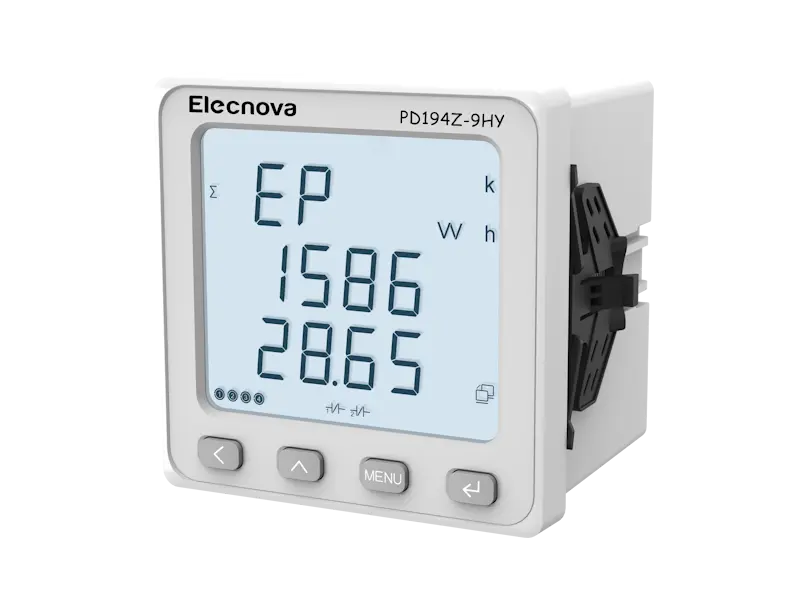
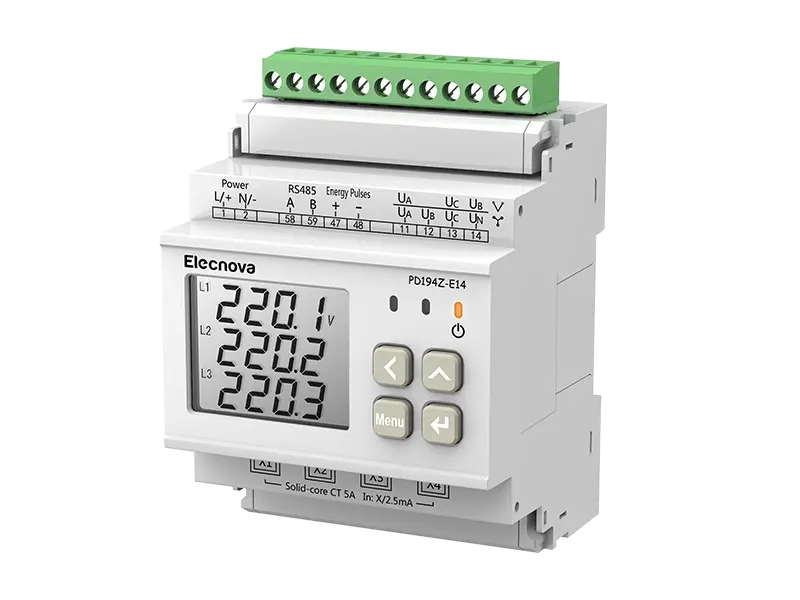
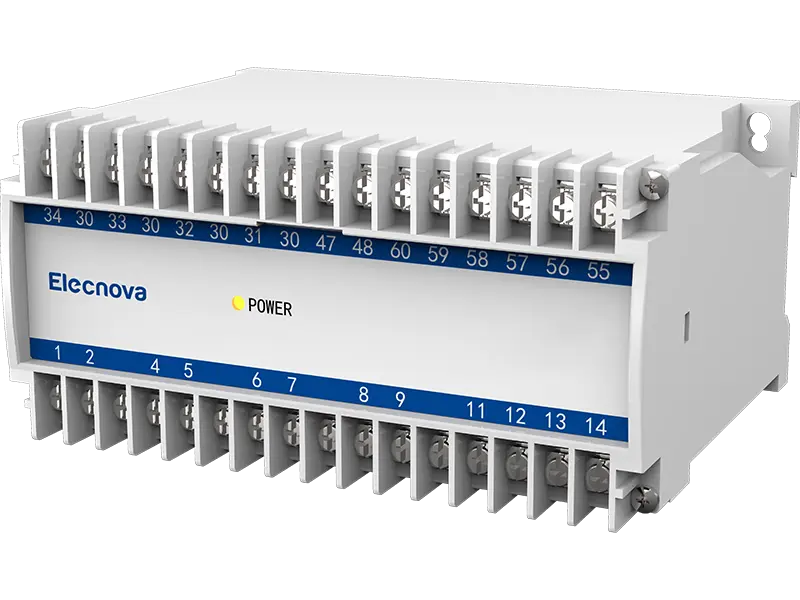
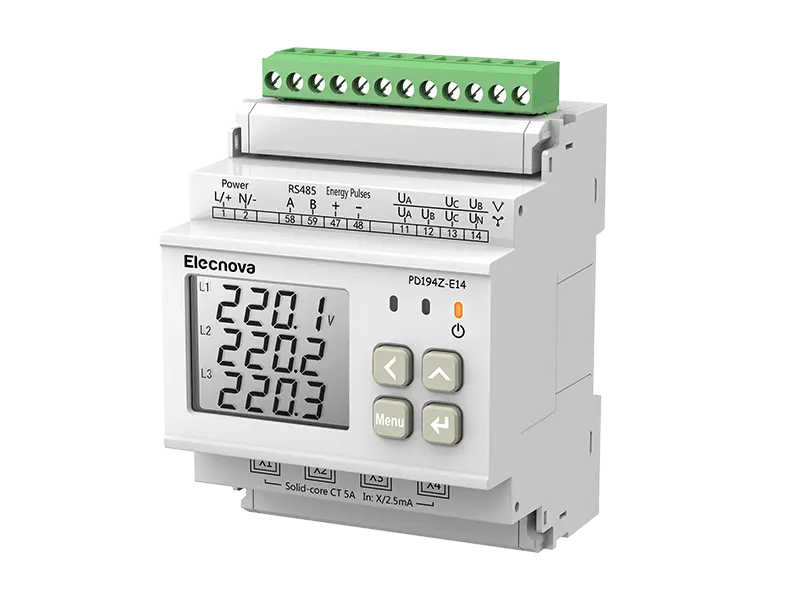
Data centers, with their high-density power demands, rely heavily on multi-circuit energy meters for branch circuit monitoring. The PD194Z-E14 series stands out in AC applications, capable of measuring up to 4 three-phase or 12 single-phase circuits. These rail-mounted instruments offer optional switching modules for alarm functions and status detection, making them ideal for critical infrastructure.
By consolidating measurements into one device, multi-circuit power meters reduce installation costs and simplify system architecture compared to using multiple single-circuit meters.
Hybrid AC-DC Scenarios: Best Metering Strategies Across Rectifiers
Many modern facilities operate in hybrid AC-DC environments, especially where renewable generation feeds into traditional grids through rectifiers and inverters. Effective multi-circuit monitoring in these scenarios requires careful strategy.
The key is deploying appropriate meters on both sides of the rectifier. On the AC side, standard multi-circuit energy meters track incoming grid power and harmonics. On the DC side, specialized DC multi-circuit power meters monitor output to batteries or EV chargers. This dual approach provides complete visibility of energy conversion efficiency and helps identify losses at the conversion stage.
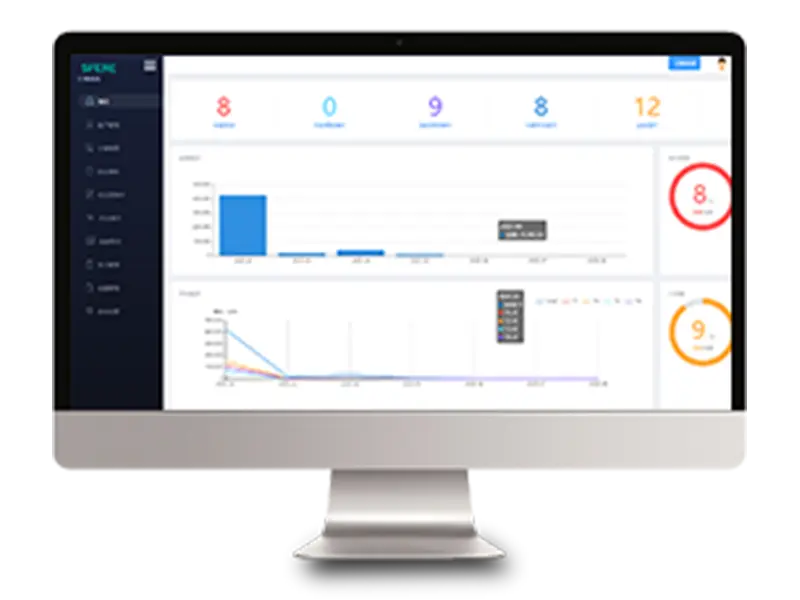
Best practices include choosing meters with strong communication capabilities for unified data collection. Integration with centralized energy management systems allows operators to analyze the entire power flow — from AC grid intake through rectification to DC consumption. This comprehensive multi-circuit monitoring strategy is particularly valuable in data centers, industrial plants with DC drives, and large-scale solar-plus-storage projects.
How Multi-Circuit Energy Meters Enhance Energy Efficiency in Both DC and AC Systems
Multi-circuit power meters play a vital role in driving energy efficiency regardless of the power type. By providing detailed, circuit-level data, they enable organizations to move beyond overall consumption totals to actionable insights.
In both AC and DC systems, these devices reveal peak demand patterns, power factor issues, and inefficient loads. For instance, facility teams can identify circuits with consistently high consumption outside operating hours and implement automated controls. Real-world deployments have shown energy savings of 8-15% through better load balancing and early fault detection enabled by continuous multi-circuit monitoring.
Furthermore, the data collected supports compliance with energy management standards such as ISO 50001. With features like remote communication and data logging, modern multi-circuit energy meters feed directly into AI-powered analytics platforms, predicting maintenance needs and optimizing energy procurement strategies.
Future Trends: The Role of Multi-Circuit Energy Meters in the Rise of DC Distribution
The electrical industry is experiencing a gradual shift toward DC distribution, particularly in microgrids, data centers, and EV infrastructure. Multi-circuit energy meters will be central to this transition.
As DC systems become more prevalent, the demand for accurate, multi-channel DC metering will grow. Future multi-circuit power meters are expected to incorporate higher sampling rates, better harmonic analysis across both AC and DC, and enhanced IoT connectivity. This evolution will support more efficient direct-DC architectures that eliminate multiple conversion losses.
Elecnova continues to innovate in this space, developing versatile meters that bridge today’s hybrid reality and tomorrow’s DC-dominant systems. Organizations investing in advanced multi-circuit monitoring today will be better positioned to adapt as power distribution technologies evolve.
Why Choose Elecnova Multi-Circuit Energy Meters
Elecnova stands out as a leading provider of reliable power monitoring solutions. Their multi-circuit energy meters combine high accuracy, flexible configuration, and robust communication features, making them suitable for both DC and AC applications across diverse industries.
From the PD195Z-E33 for DC systems to the PD194Z-E14 series for AC multi-circuit measurement, Elecnova delivers practical, high-performance tools backed by strong technical expertise. Their commitment to innovation and customer support makes them a trusted partner for organizations seeking long-term energy management success.
Discover Power Monitoring Solutions | View Full Product Catalog
Conclusion
Multi-circuit energy meters have become indispensable for effective multi-circuit monitoring in today’s complex power landscape. Whether managing DC systems in EV charging and solar applications or overseeing traditional AC infrastructure in buildings and industrial facilities, these advanced devices deliver the insights needed for optimization.
By understanding the differences between DC and AC applications and selecting the right solution, organizations can achieve substantial improvements in energy efficiency, cost reduction, and system reliability. Partnering with an experienced manufacturer like Elecnova ensures access to quality products and expert guidance for both current and future power challenges.
Ready to enhance your multi-circuit monitoring capabilities? Contact the Elecnova team to discuss the best solution for your project.
FAQ
1. What is a multi-circuit energy meter?
A multi-circuit energy meter is a compact device that simultaneously monitors electrical parameters across multiple circuits, providing real-time data on voltage, current, power, and energy consumption.
2. What are the main differences between DC and AC multi-circuit power meters?
DC meters focus on direct current systems like solar and EV charging with bi-directional measurement, while AC meters handle traditional alternating current applications with support for three-phase loads and harmonics.
3. How do multi-circuit energy meters improve energy efficiency?
They provide granular, circuit-level insights that help identify waste, balance loads, and implement targeted energy-saving measures across both DC and AC systems.
4. Are multi-circuit monitoring solutions suitable for hybrid AC-DC systems?
Yes. Strategic deployment on both sides of rectifiers and inverters allows complete visibility and optimization of energy conversion in hybrid environments.
5. What communication features do modern multi-circuit power meters offer?
Most advanced models include RS485, Modbus, and optional LoRaWAN or Ethernet connectivity for seamless integration with building and energy management systems.
6. Why choose Elecnova for multi-circuit energy meters?
Elecnova offers high-accuracy, reliable multi-circuit solutions with strong technical support, suitable for both DC and AC applications in demanding industrial and commercial environments.




 CN
CN EN
EN
 fr
fr  de
de  es
es  it
it  ru
ru  ar
ar  vi
vi  tr
tr  th
th